Every culture has an ingredient it trusts with its tenderness. In Japanese confectionery it is anko — azuki beans cooked down with sugar into the dark, quiet sweetness at the heart of nearly every wagashi. And Okitsu, a former post town of the Tōkaidō on Suruga Bay, is said to be where anko began. The town still has the shop to show for it: Shioya, a wagashi maker of long standing, remembered locally as a favorite even of the Imperial household.
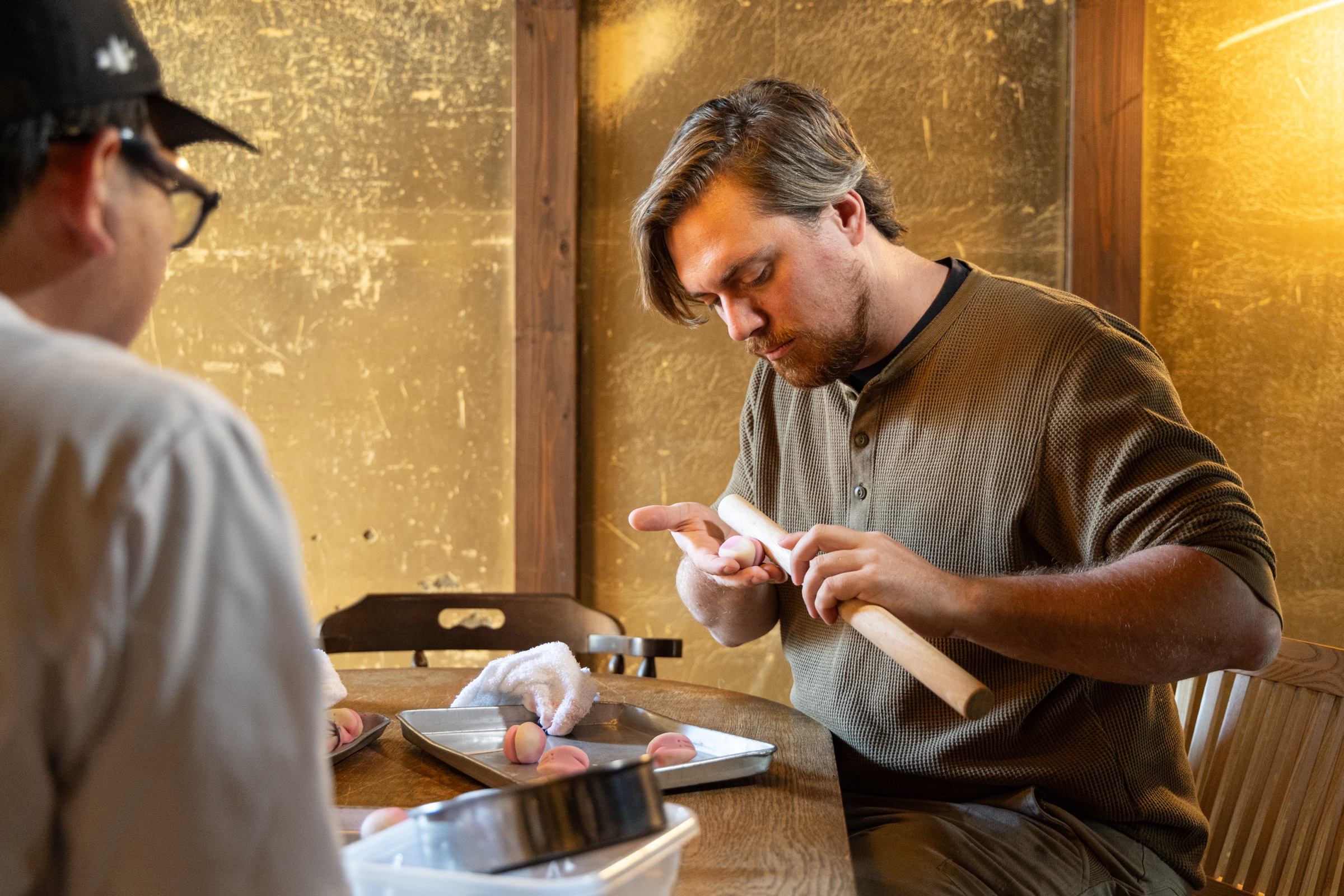
Seisei-an anco stands at the same address as its sister house momen, two minutes on foot from Okitsu Station. The two machiya divide the oldest work of a post town between them. momen takes the night — it is built entirely around sleep, on cotton futons by the master craftsman Koichiro Shinkai. anco takes the daytime and the palate: in collaboration with Shioya, guests roll and shape fresh wagashi with their own hands, sit for tea ceremony, and cook with the ingredients of the region. The name, of course, is the sweetness itself.
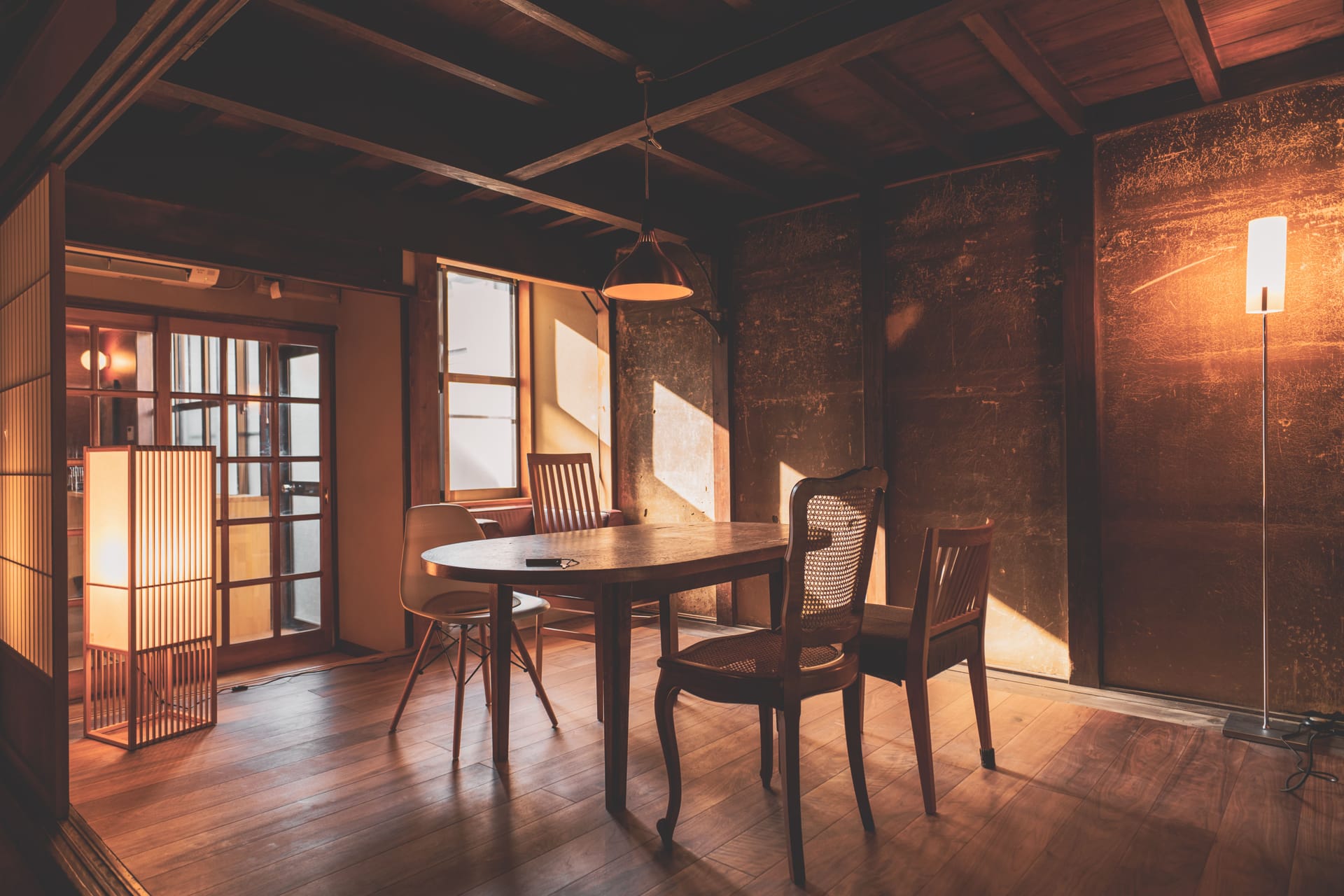
When KAIDO restored the pair, the temptation was to polish everything. Instead, the rooms keep the marks of their first hundred years — scuffed plaster, darkened beams, old paper on the walls — with new comfort set quietly inside them. The idea, here as in every KAIDO house, is that a building's history is not a defect to be repaired but the very thing a traveler crosses the world to touch.
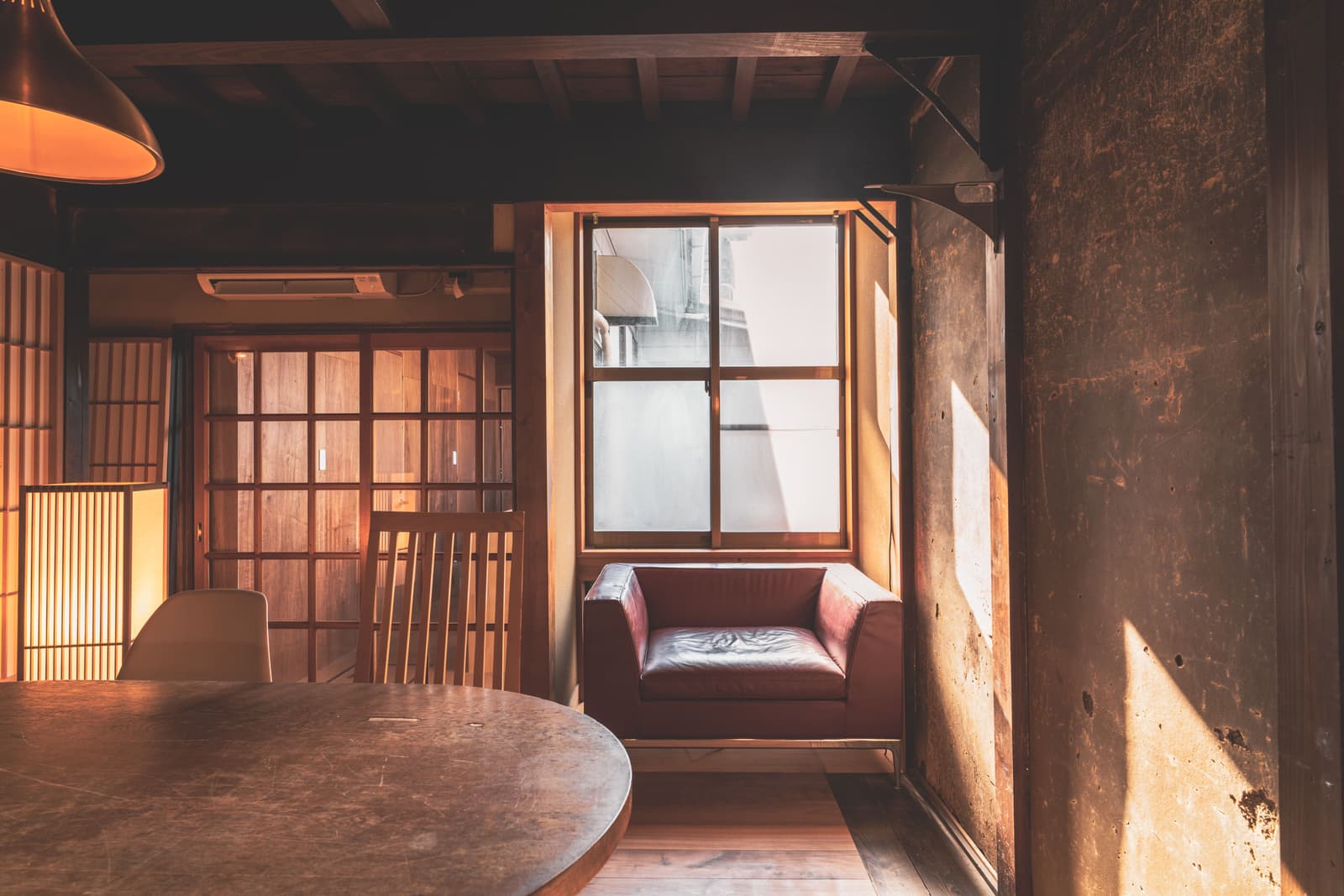
A stay at anco runs on the senses. You knead and fold a sweet that will be gone by tomorrow; you drink the tea that was always meant to answer it; you sleep in a house that has watched the same street for a century. Sweetness, it turns out, is a good way into a culture — it asks nothing of you but attention.
Taste first, then rest: with both houses side by side, the old post town's hospitality is complete. See Seisei-an anco — the house and availability, or reserve both houses together for family and friends.