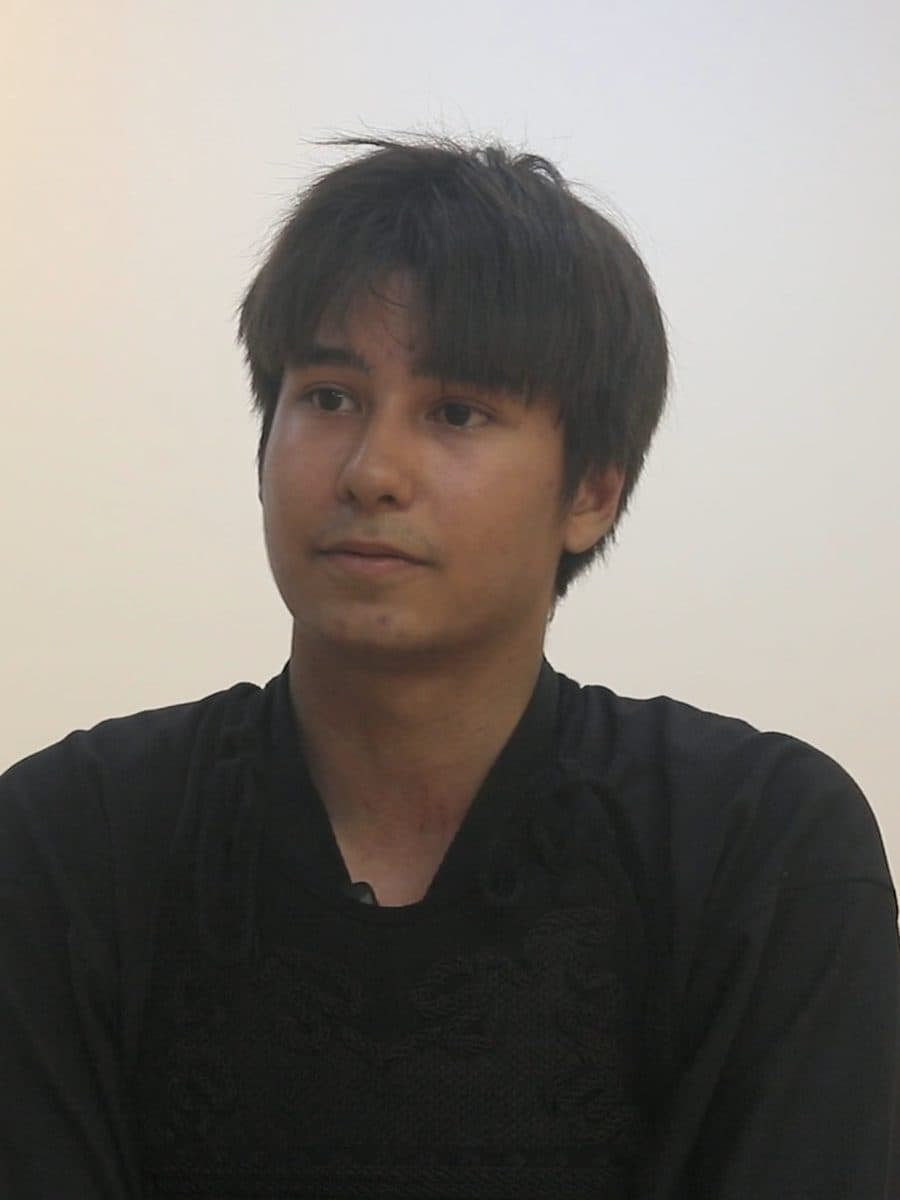
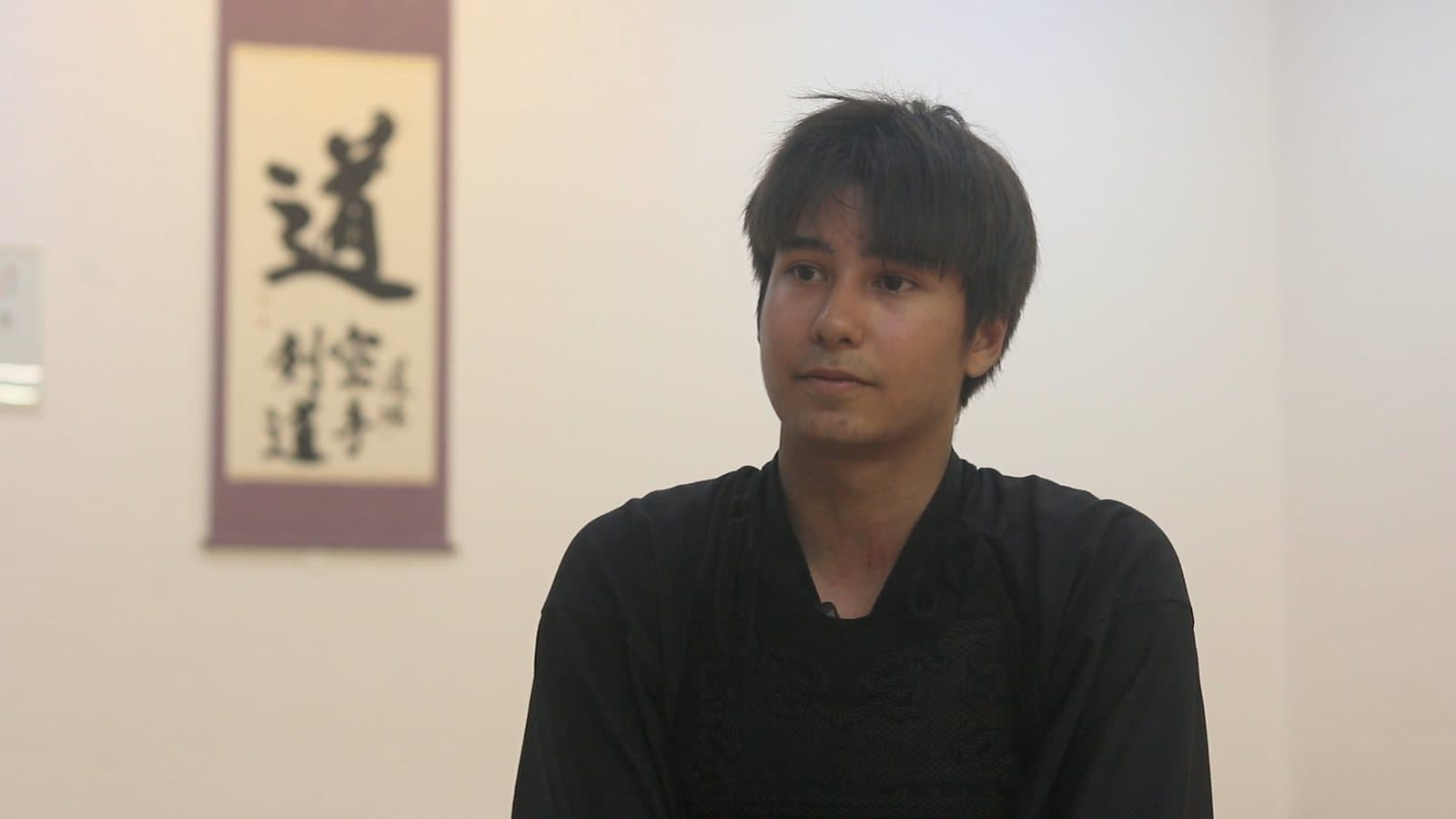
A Place to Let It All Out
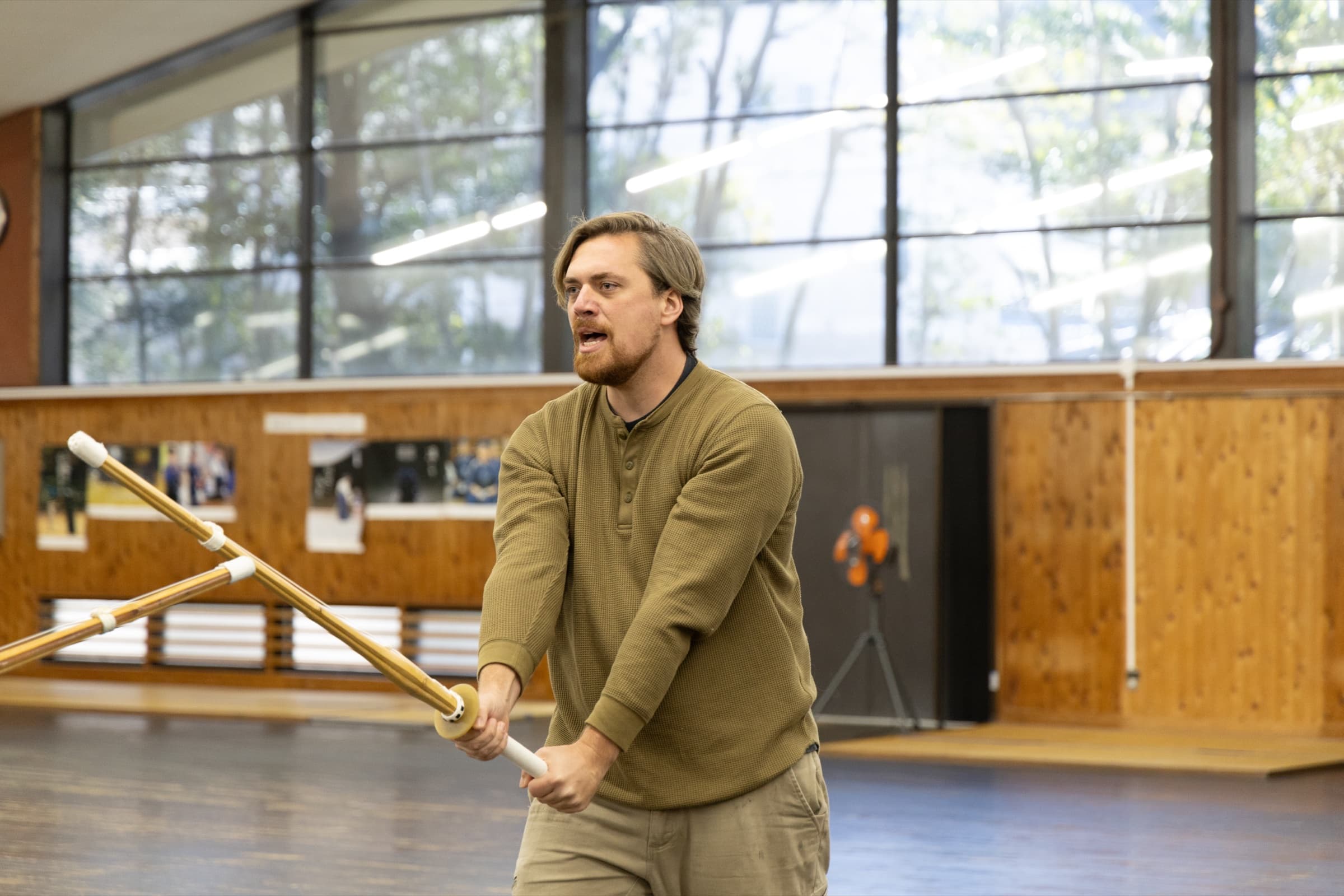
David · Senbukan Luzern
Conversations with people finding their way.
Across generations. Across borders.
In focus / Way of Life 17
David
Senbukan Luzern · Luzern
01 / The people
Way of Life
17 conversations to explore
A new film every Tuesday and Friday until 23 October.
YouTube playlist ↗David · Senbukan Luzern
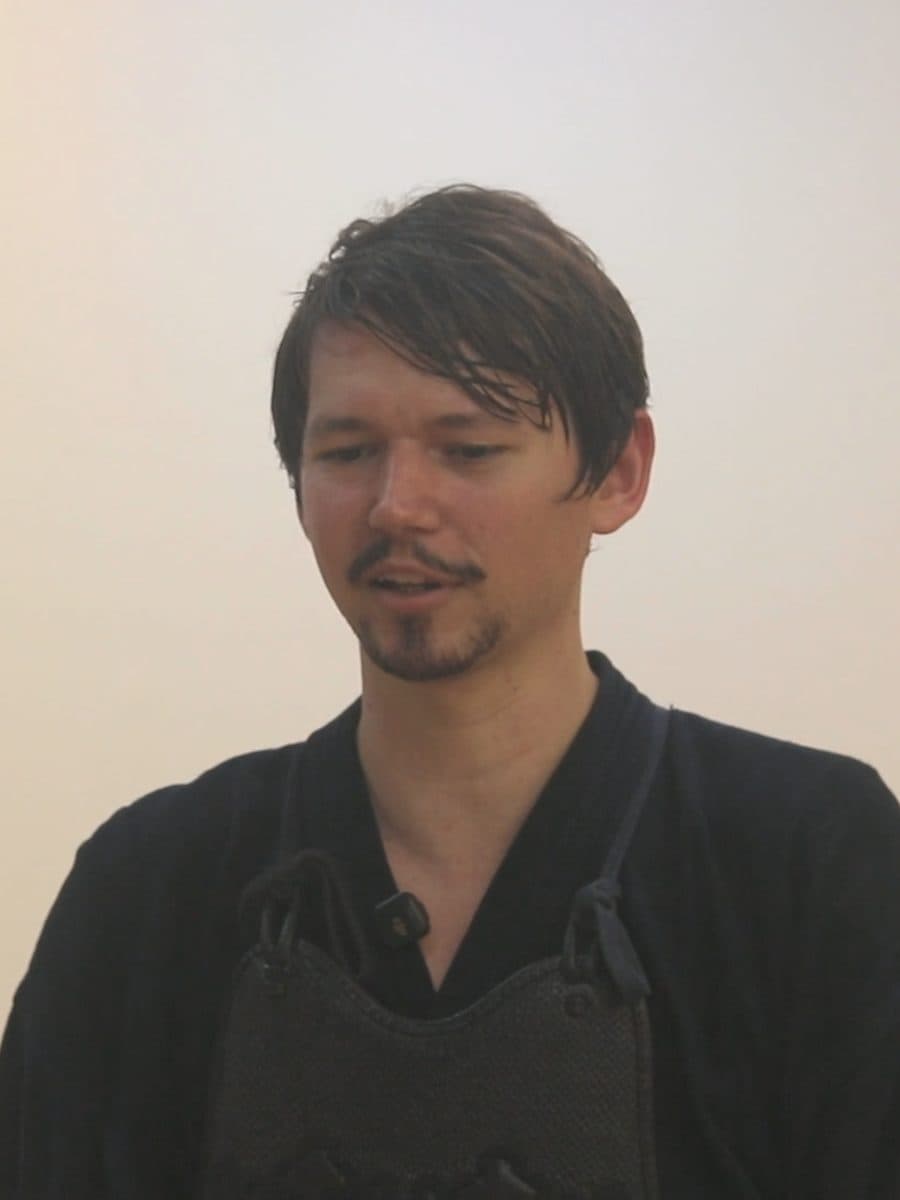
Patrick Kipfer · Senbukan Luzern

Ricardo Rodriguez · Senbukan Luzern
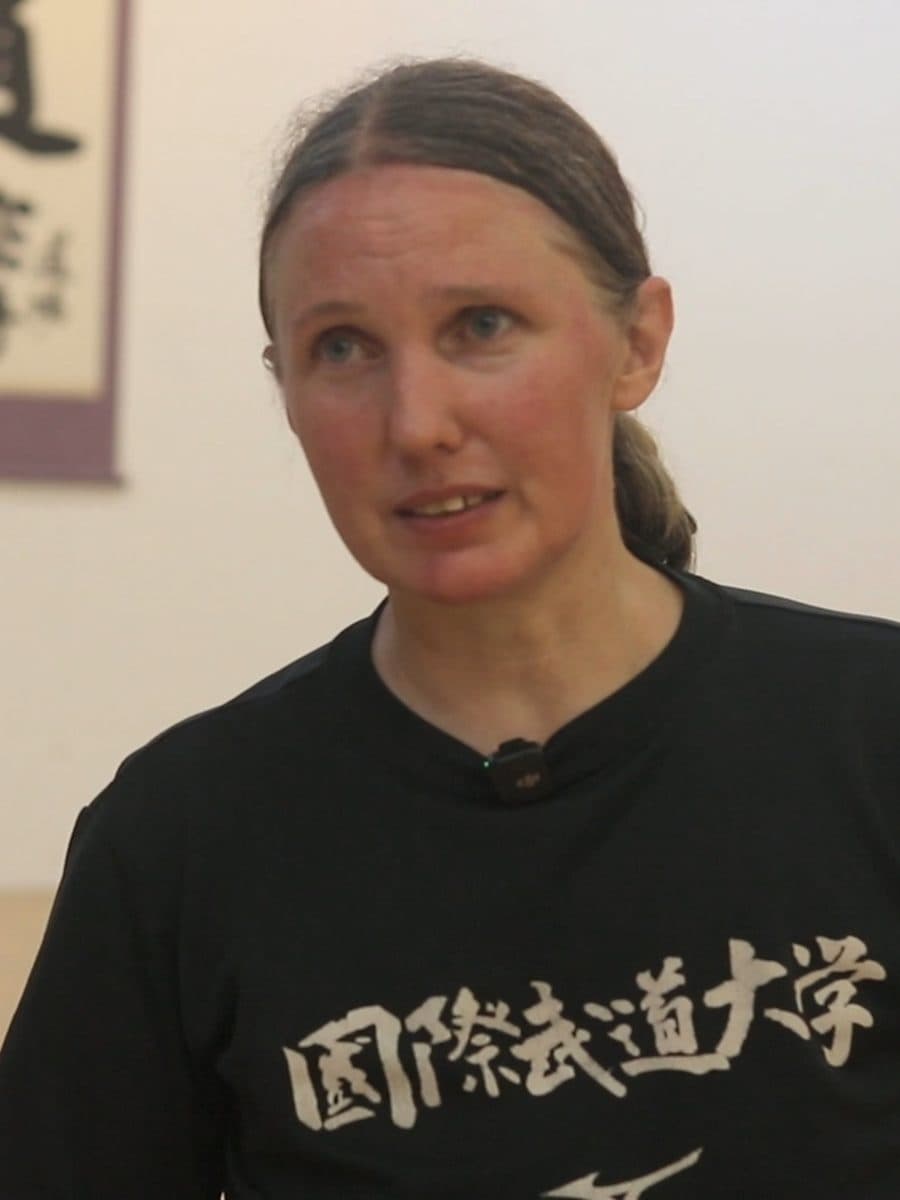
Selina Koller · Senbukan Luzern
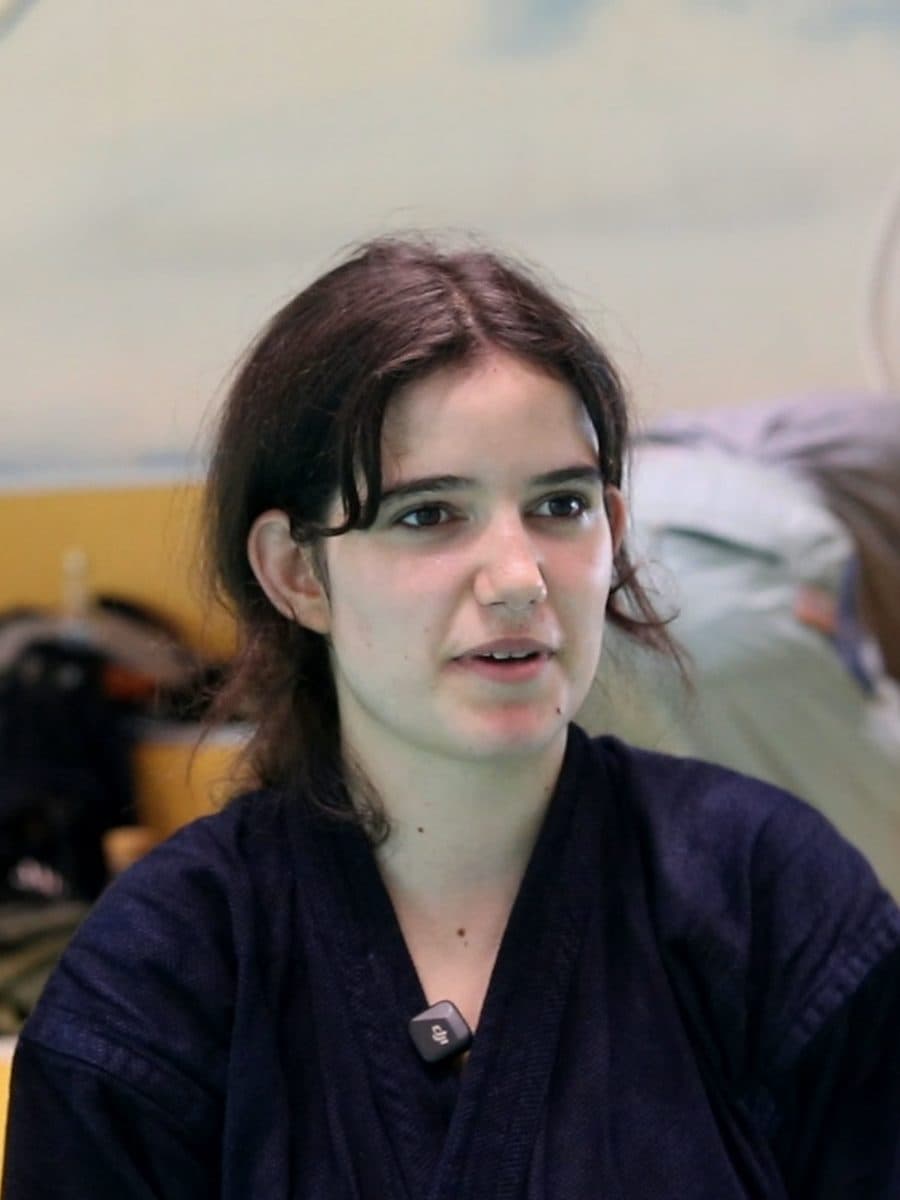
Alona Chevillot · Budokan Lausanne
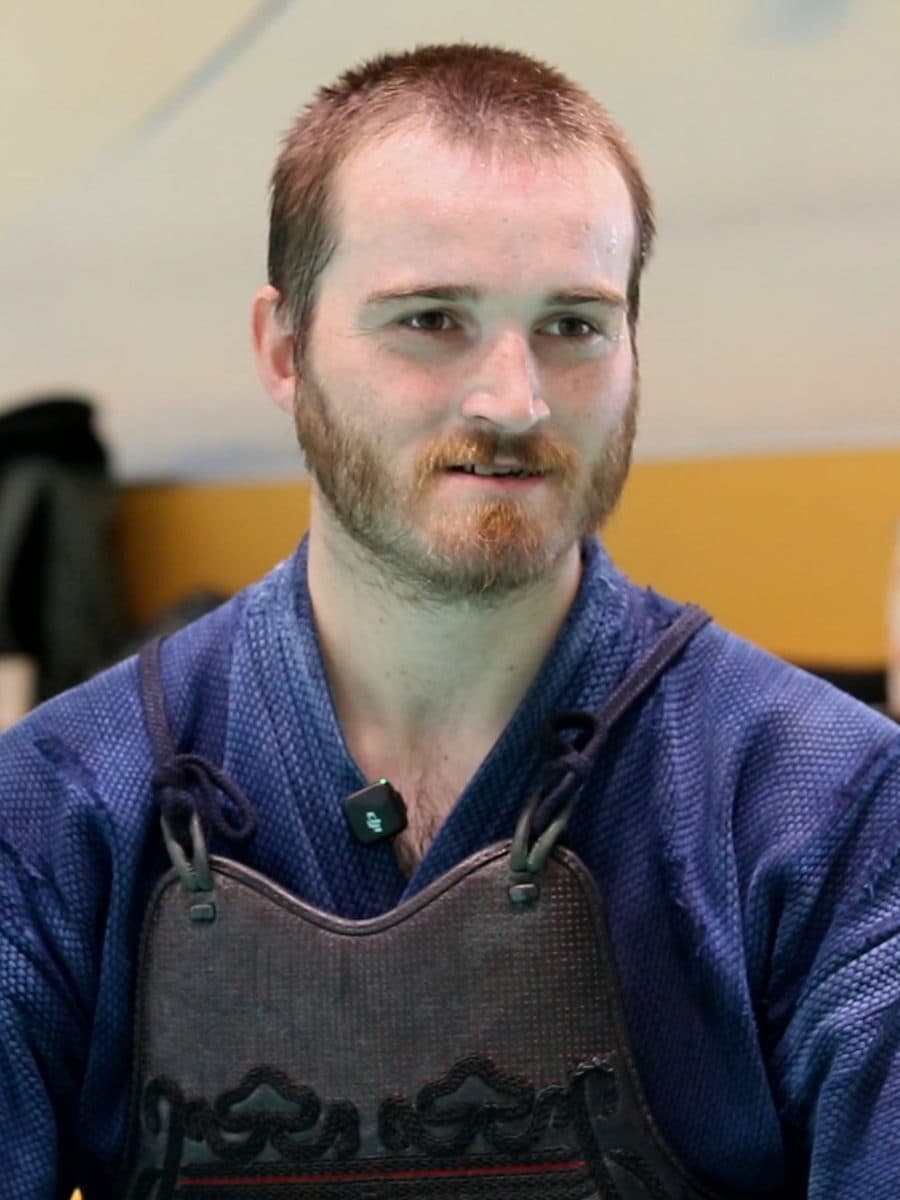
Pâris Hehner · Budokan Lausanne
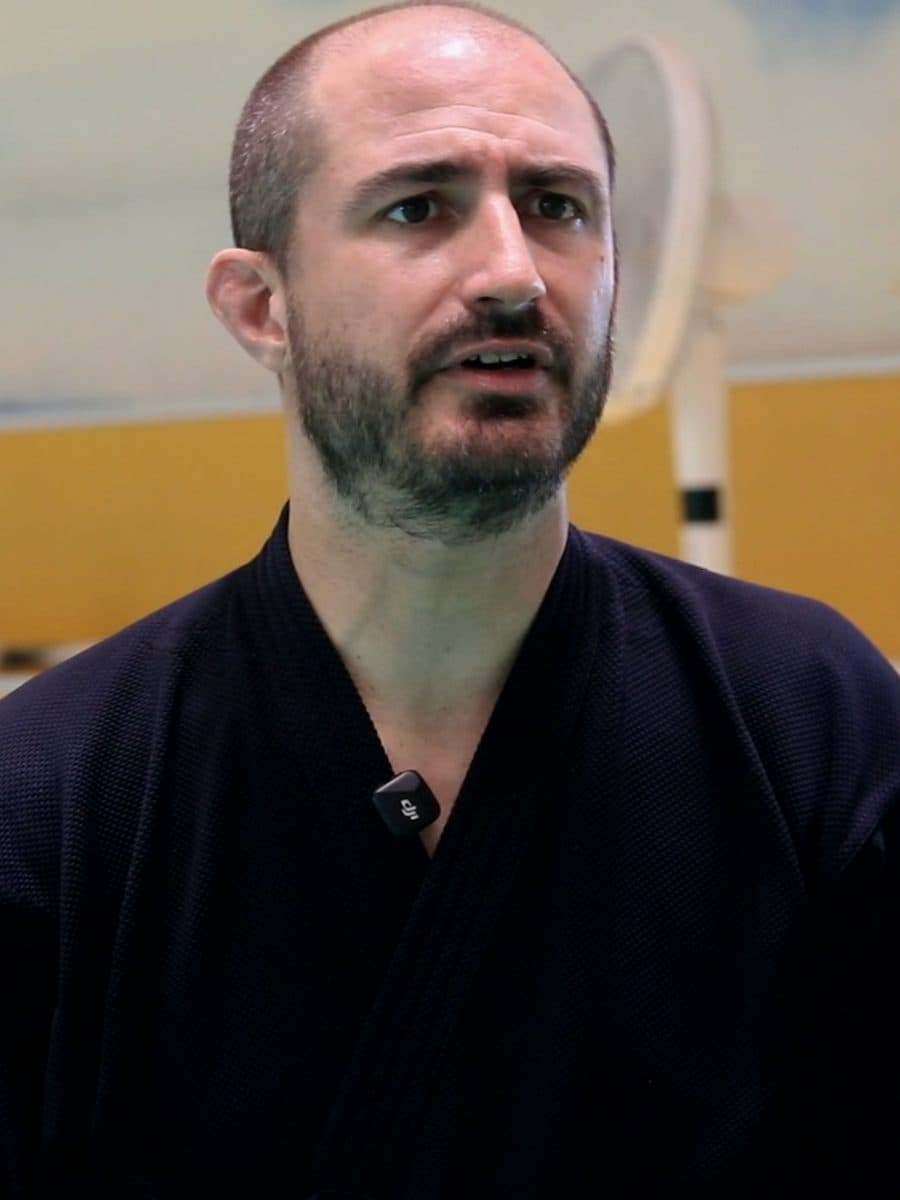
Cyrian Pitteloud · Budokan Lausanne
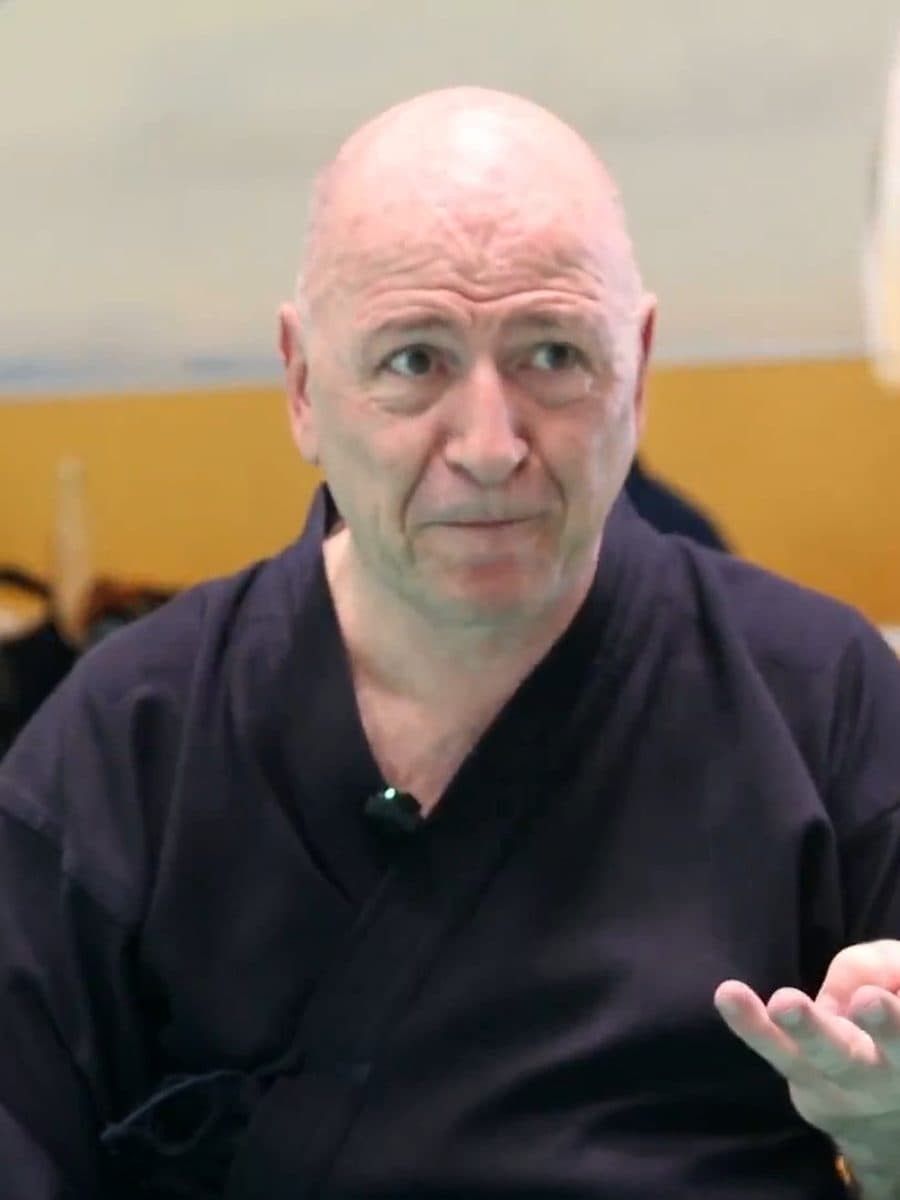
Stephan Buob · Budokan Lausanne

Ryusuke Shinoda · Budokan Zürich
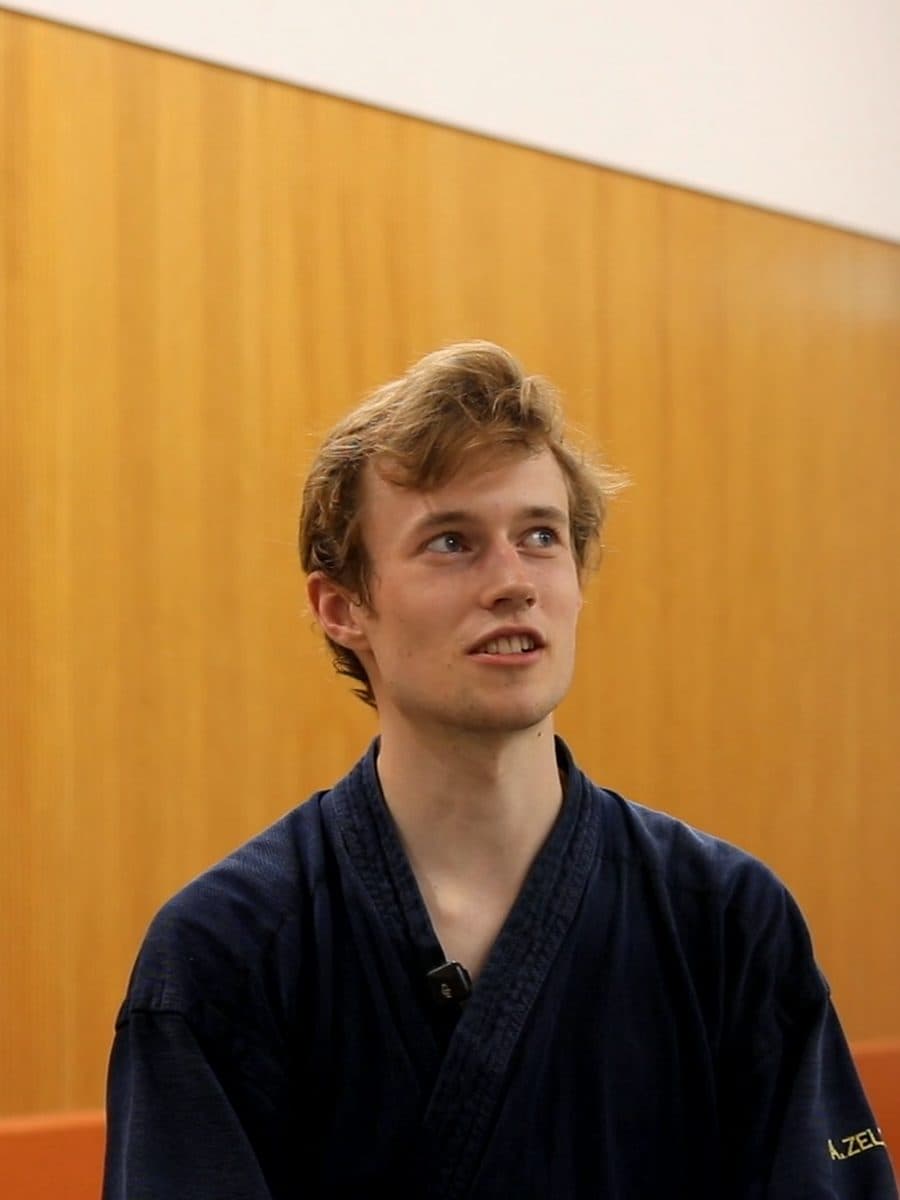
Amarin Zeltner · Budokan Zürich
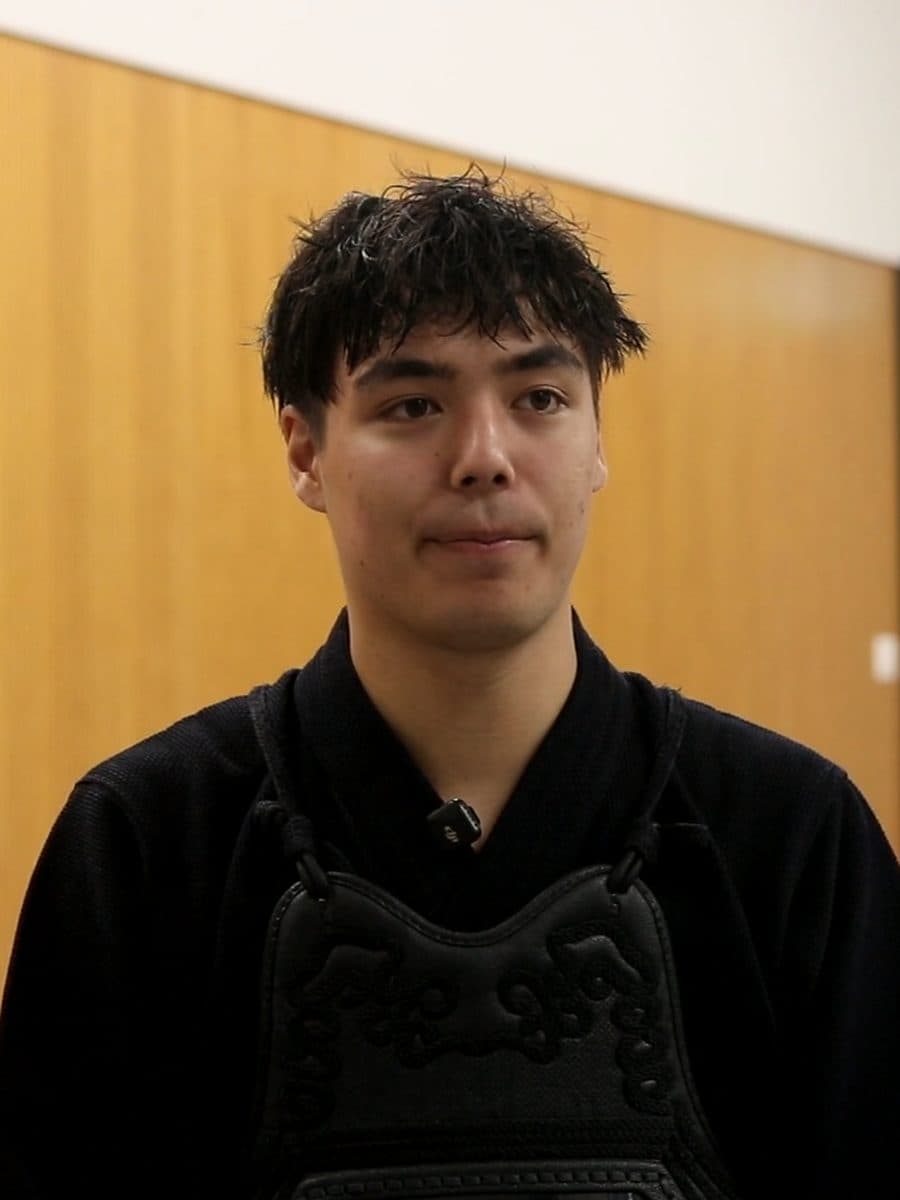
Tadeu Kimura · Budokan Zürich
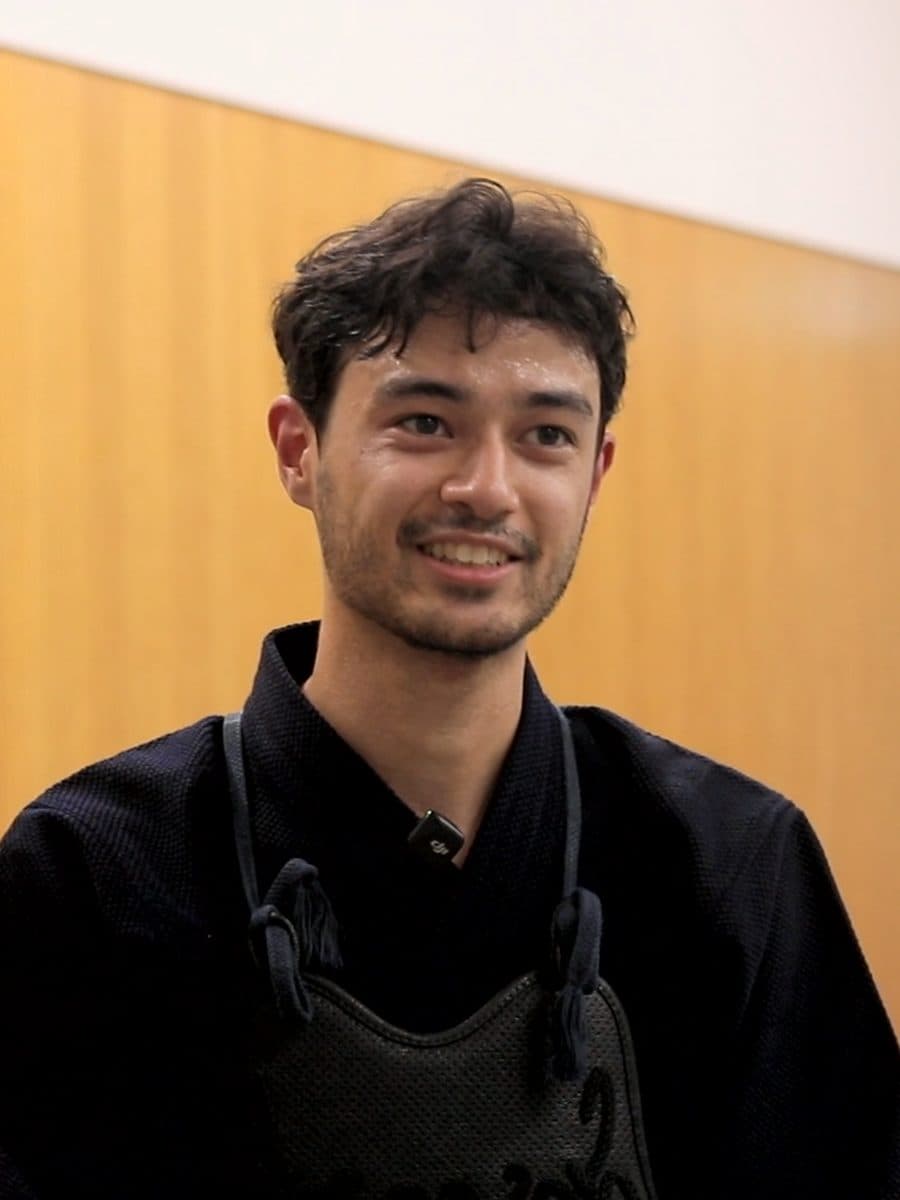
Tomoki Misaki · Budokan Zürich
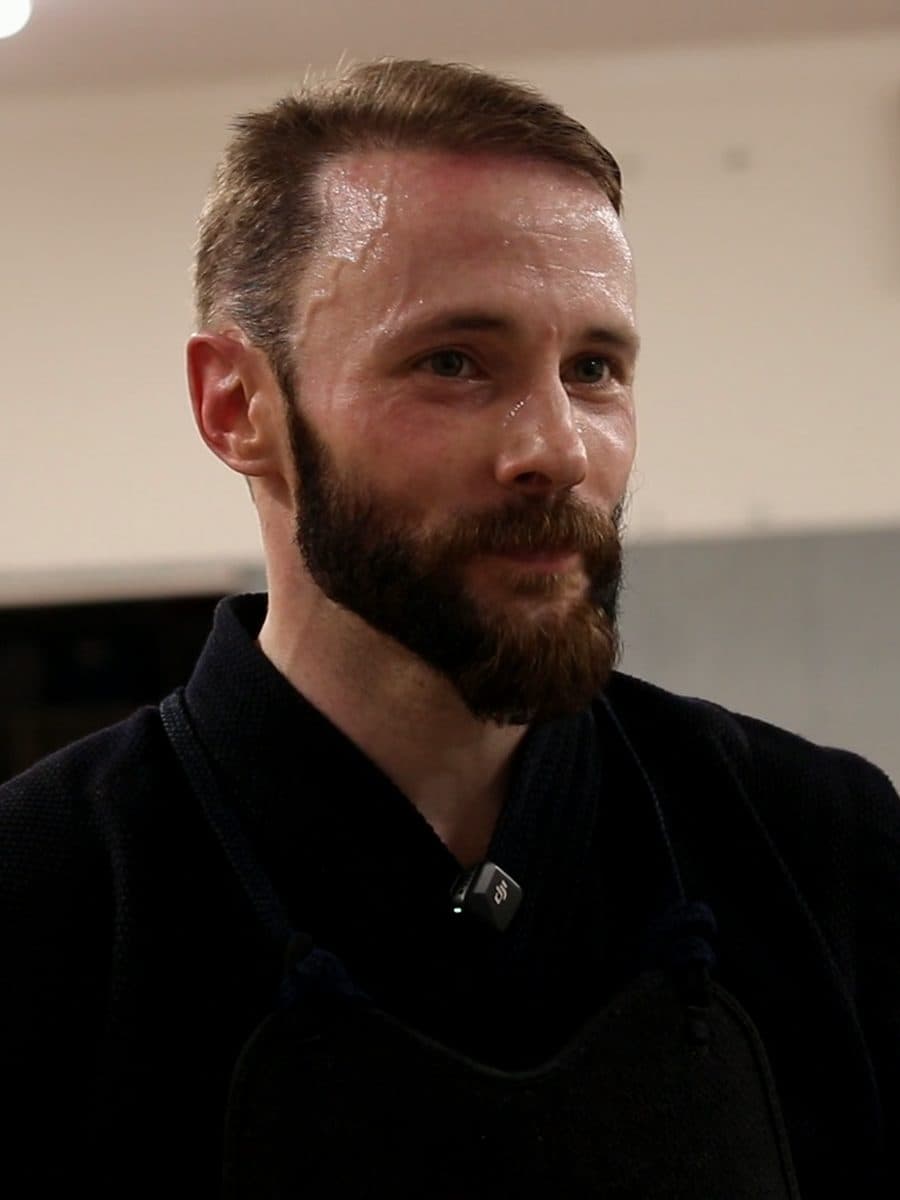
C.M · Budokan Zürich
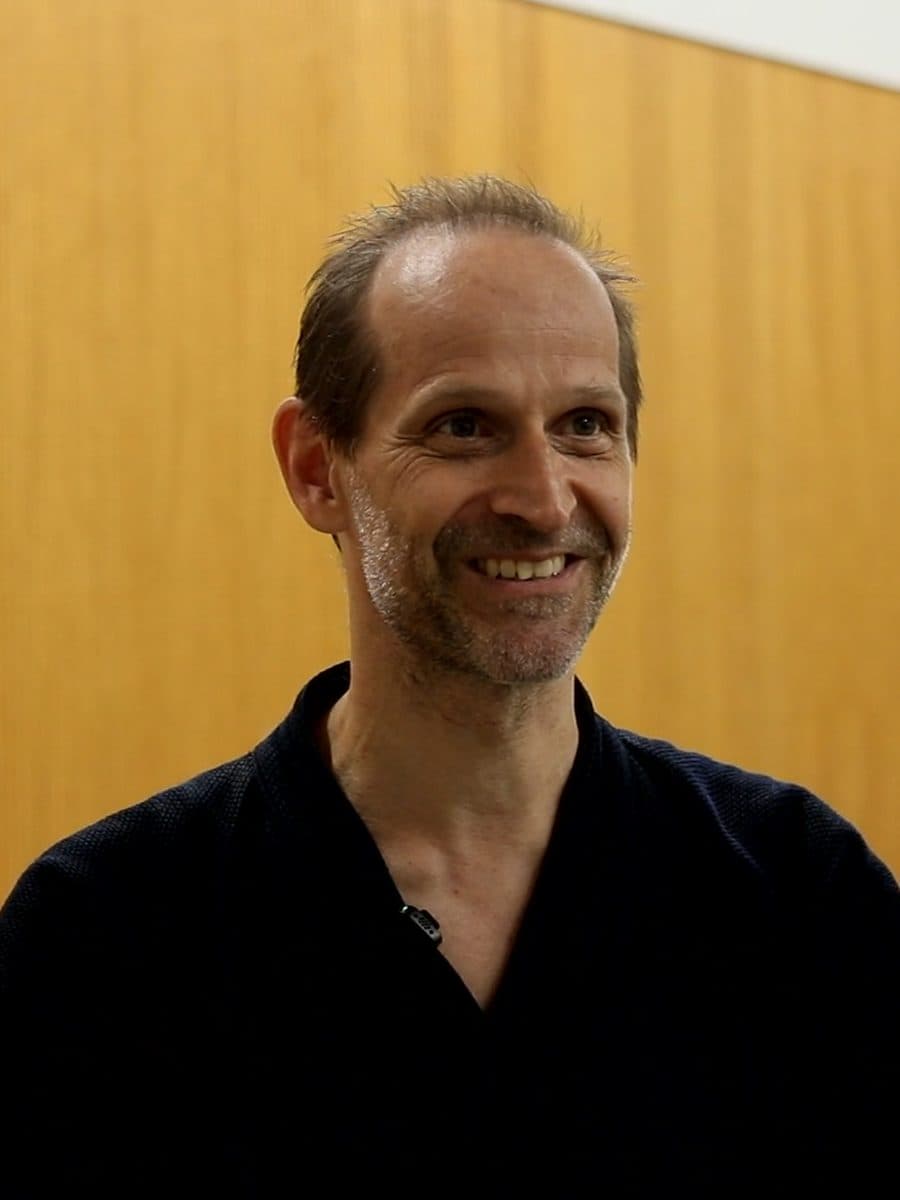
Godi Renz · Budokan Zürich
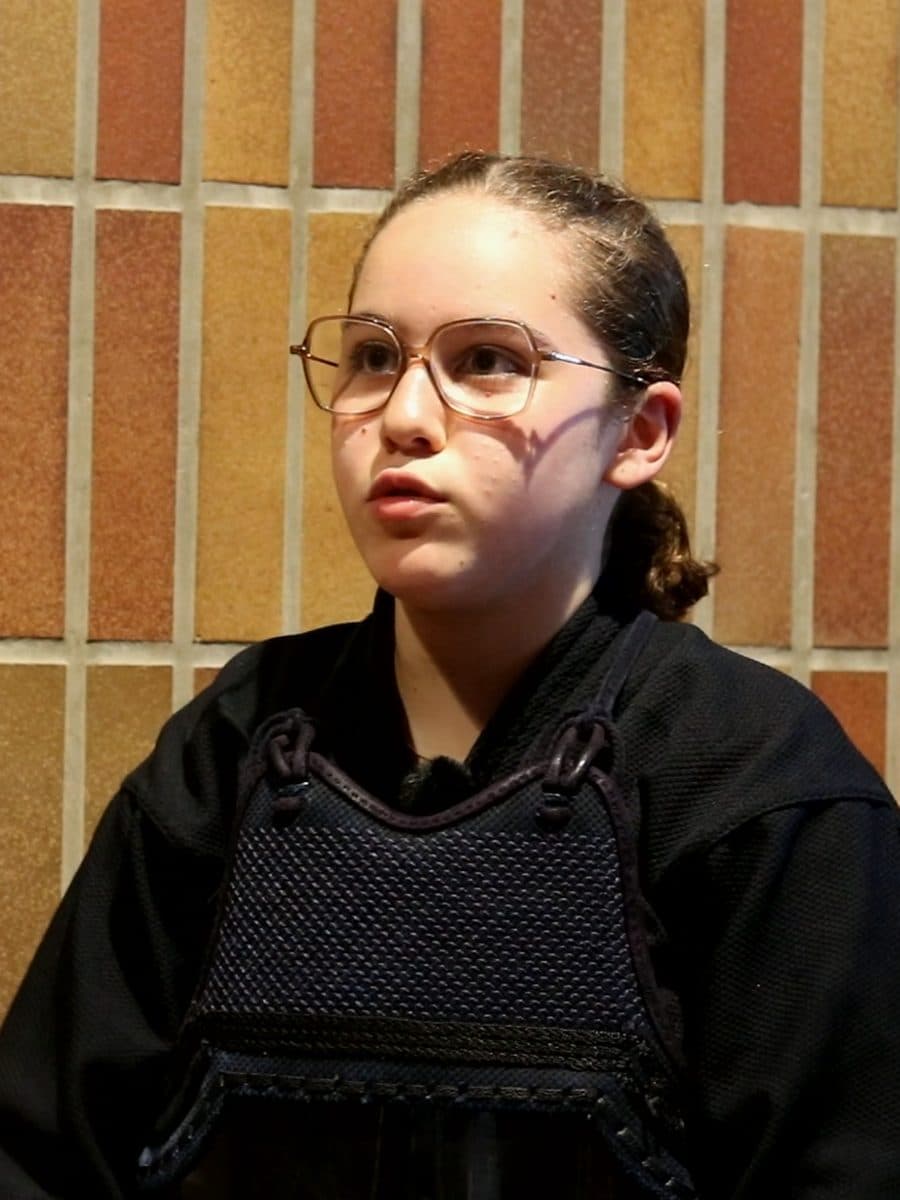
Joud Bouaita · BUDO XI
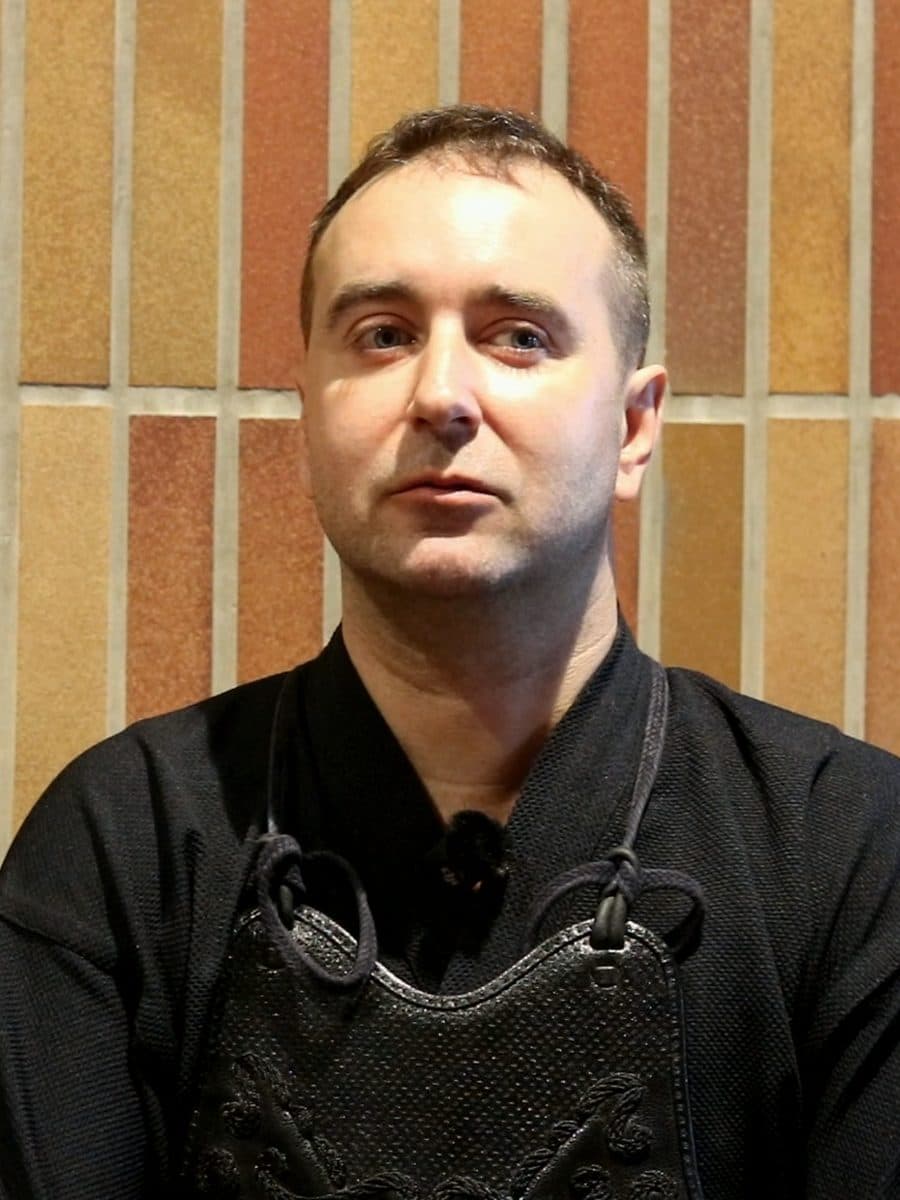
Daniel Antoni · BUDO XI
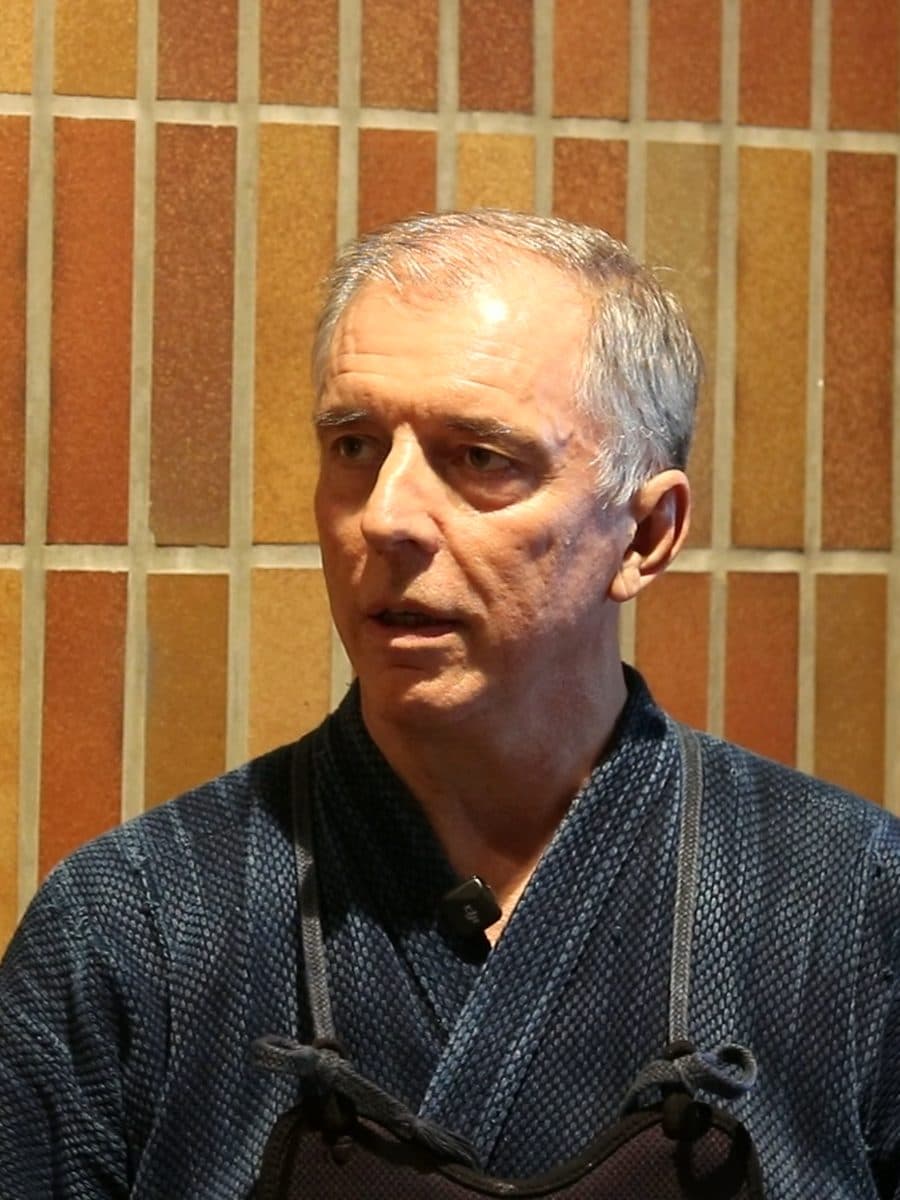
Jean-Pierre Labru · BUDO XI
02 / Follow a question
An editorial route
through the stories.
Stories to explore · Where do we belong?
Stories to explore · Where do we belong?
Stories to explore · What keeps us going?
Stories to explore · What does practice teach us?
03 / Along the old road
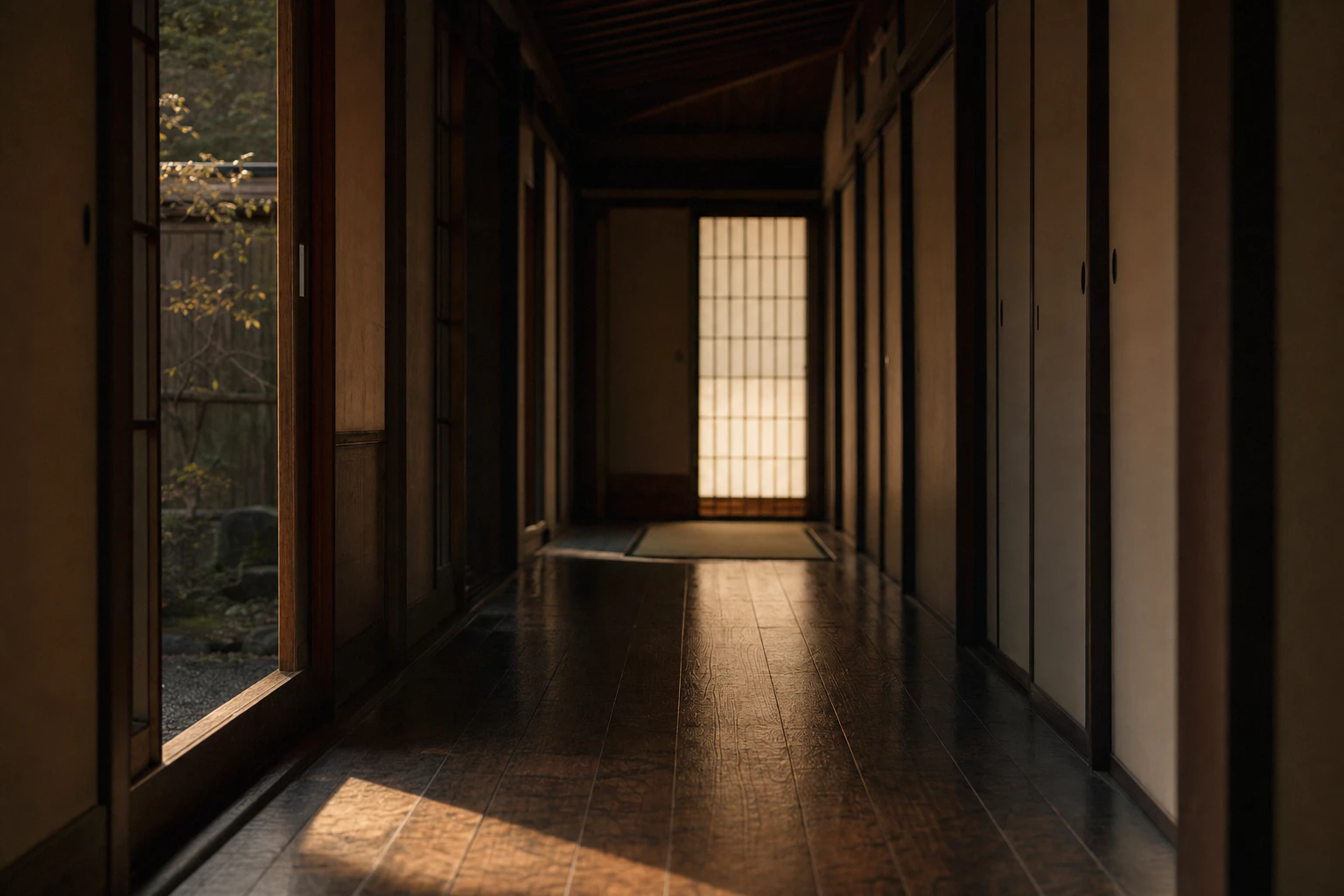
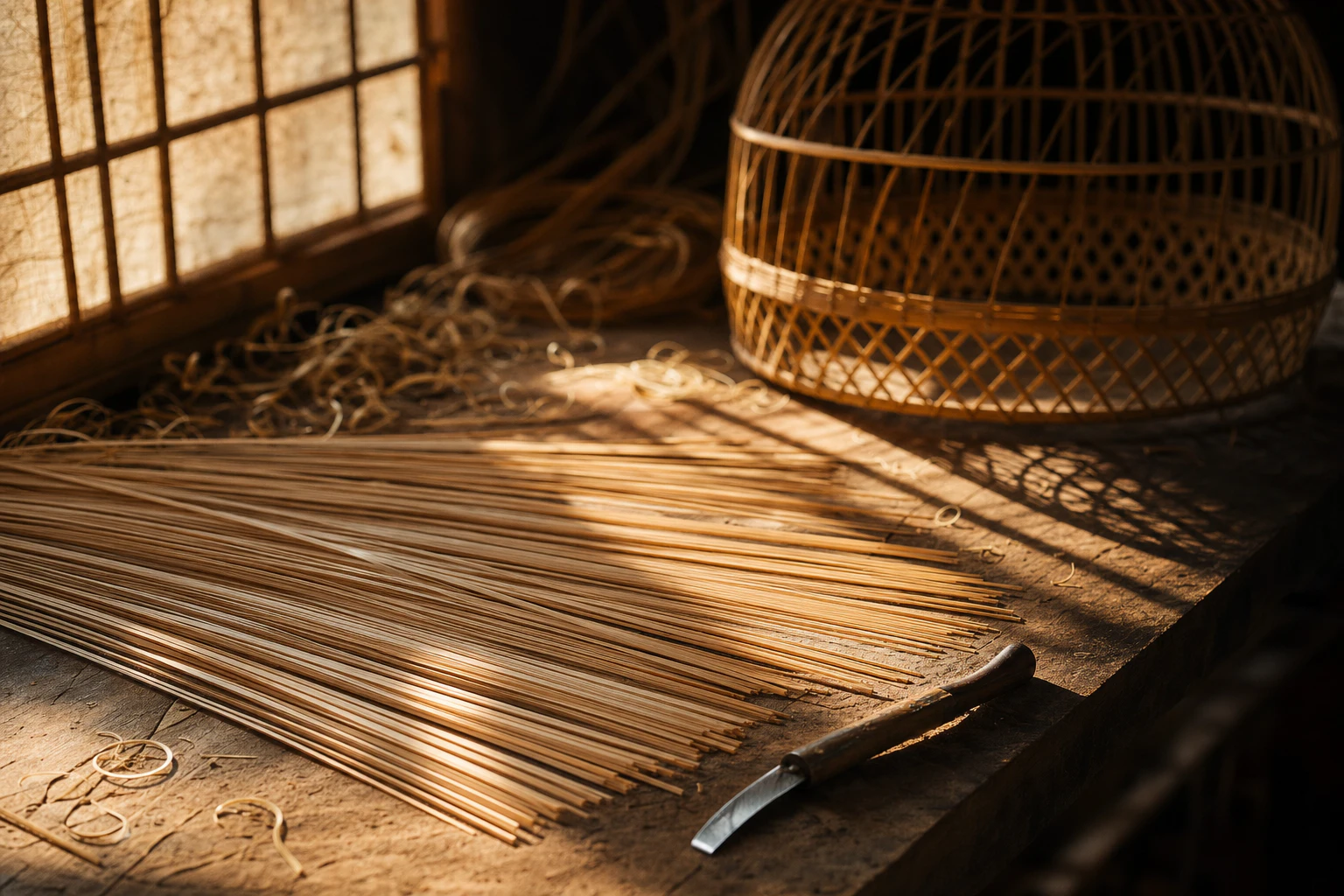
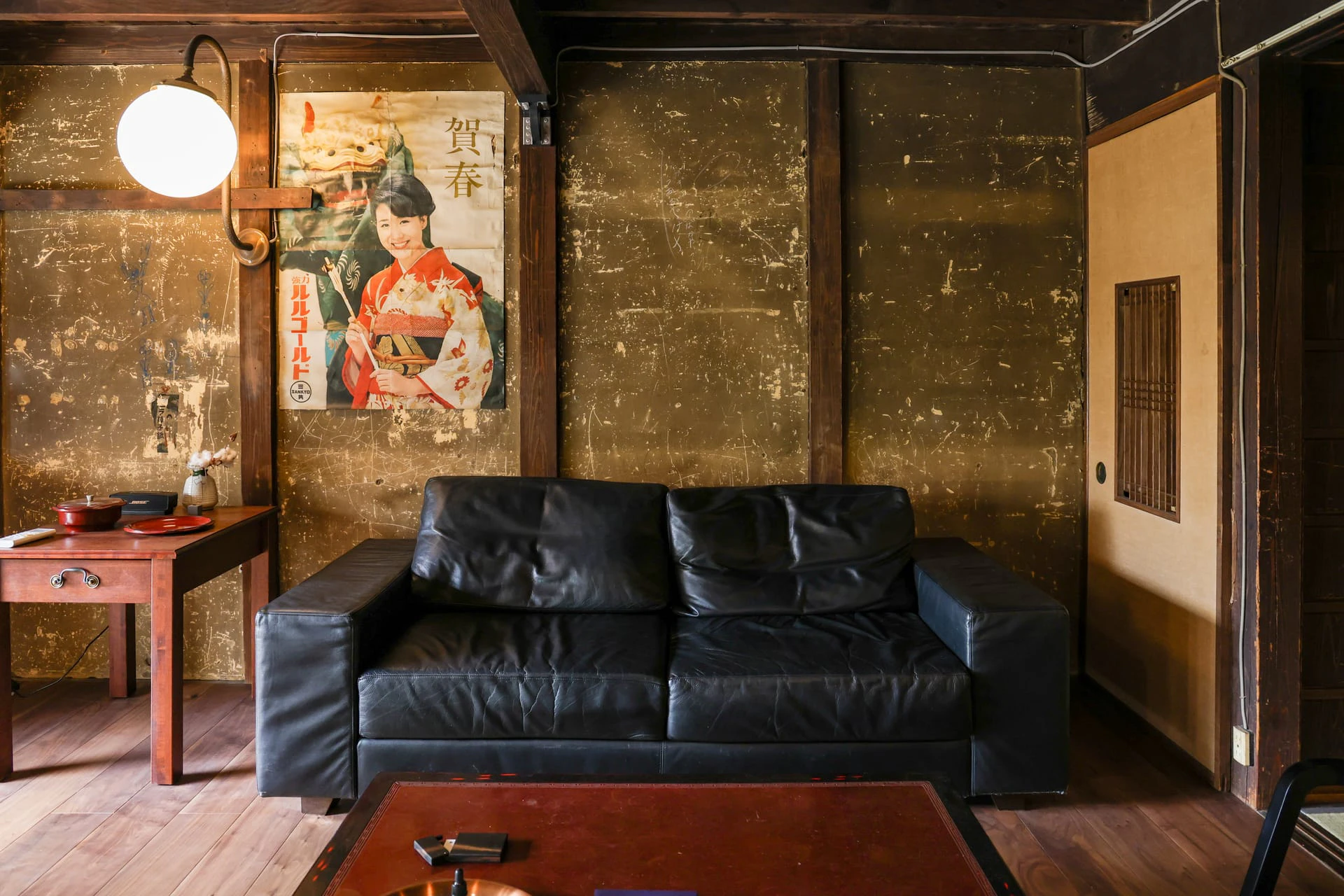
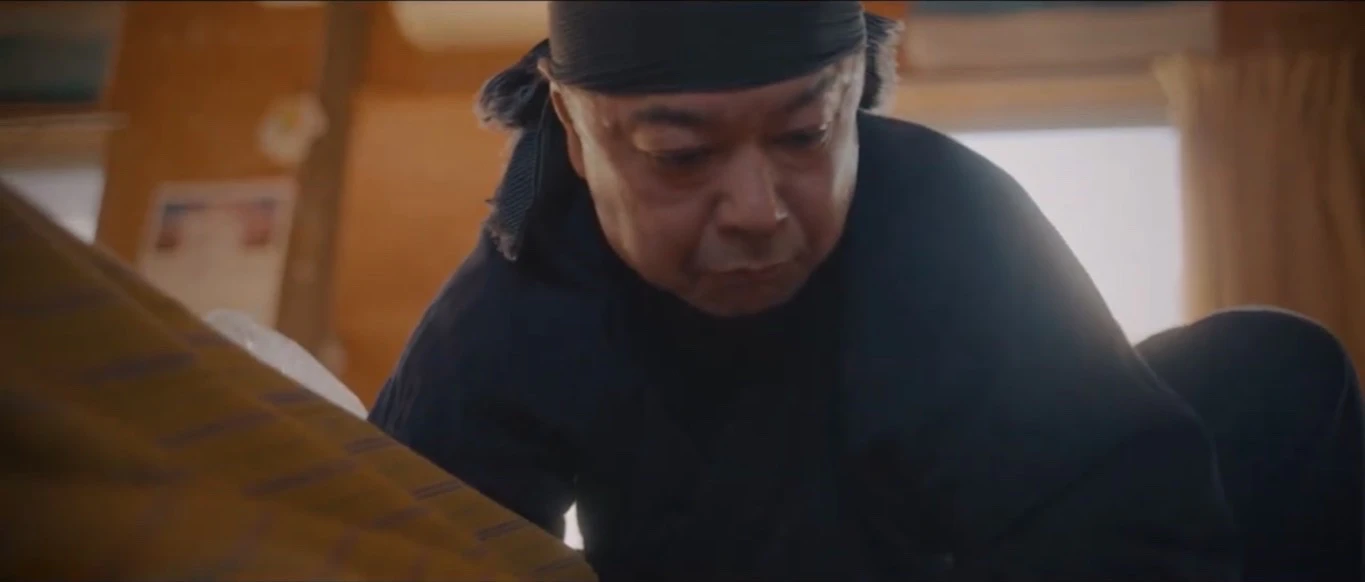
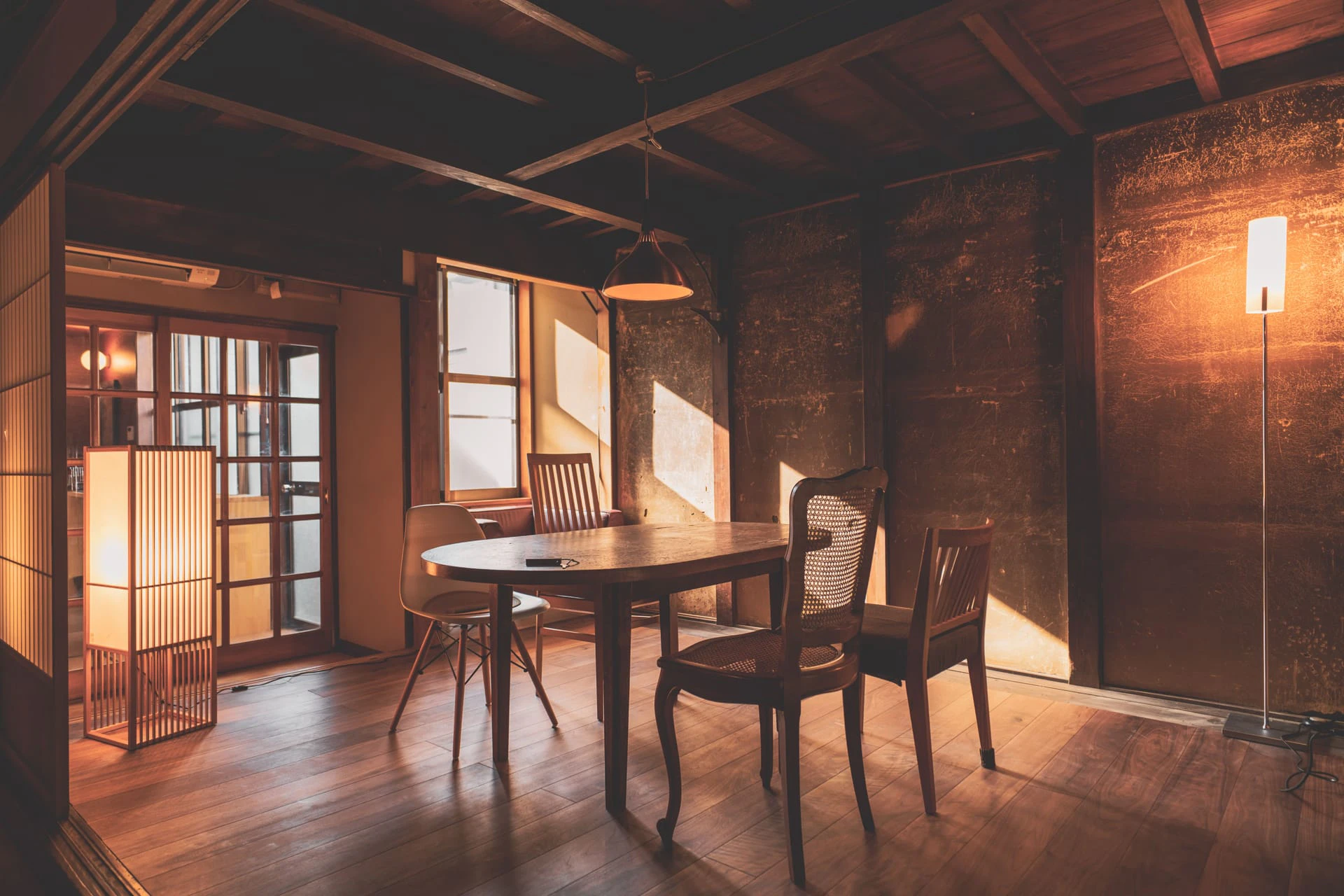
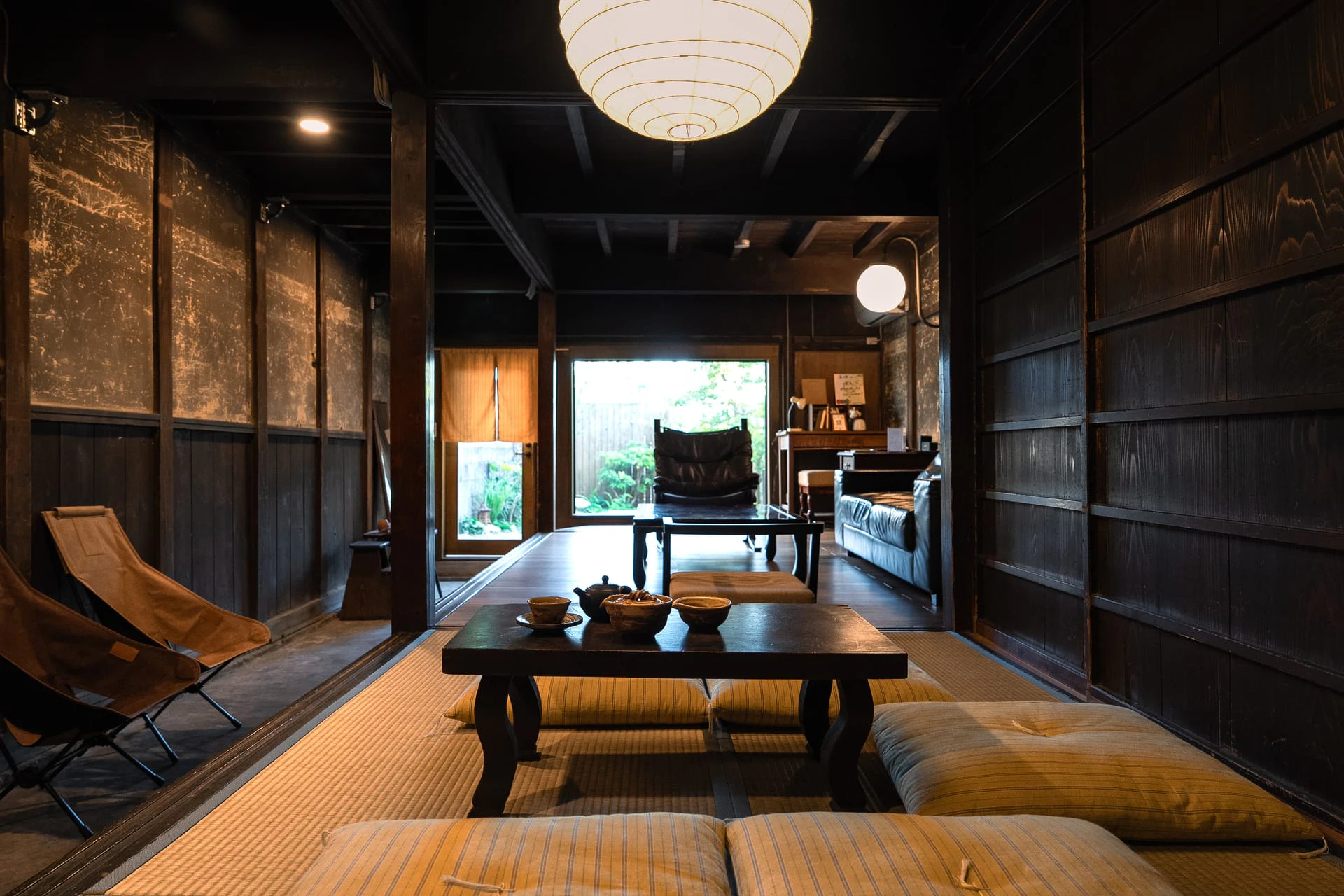
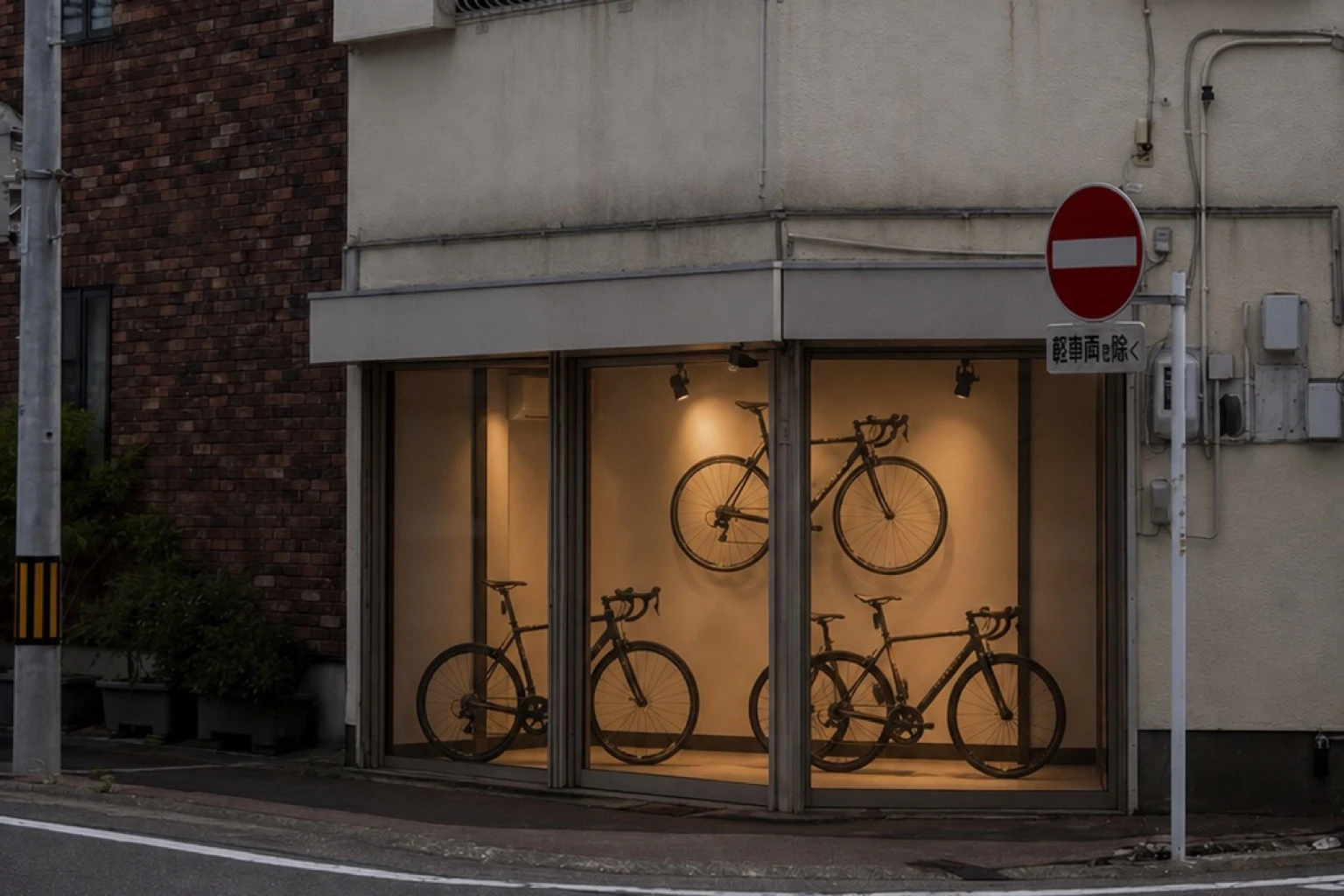
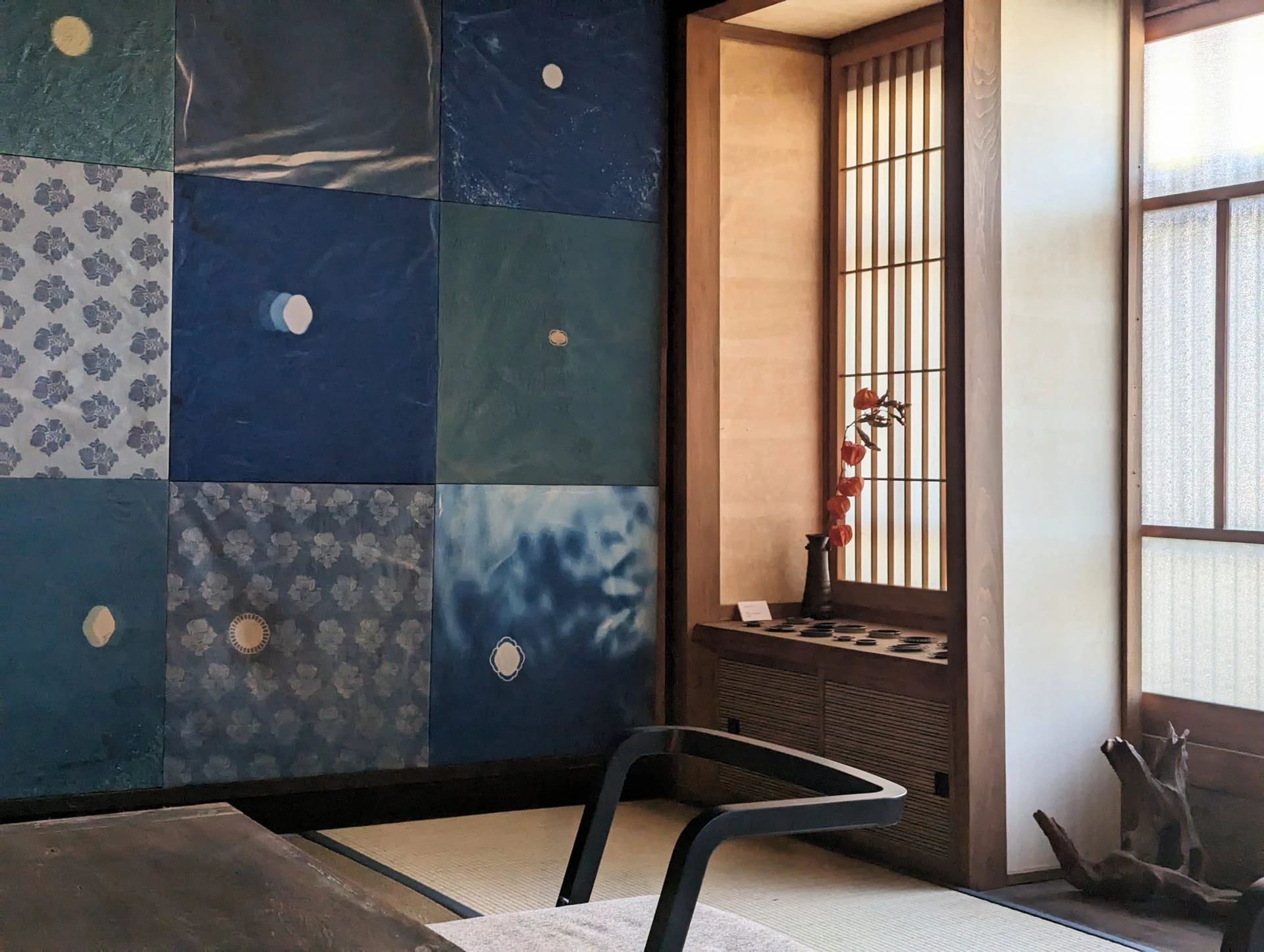
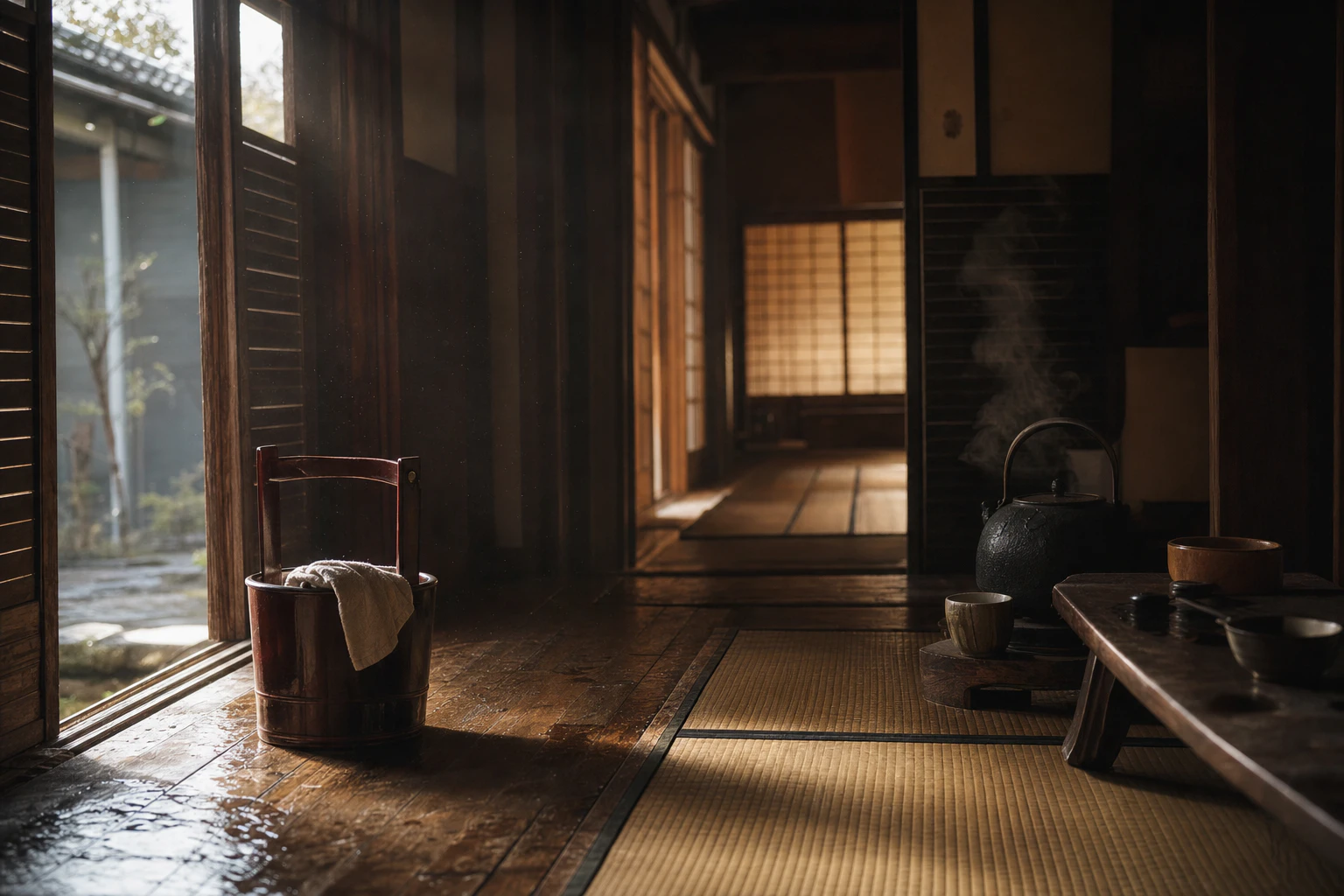
Houses, craft and everyday life.
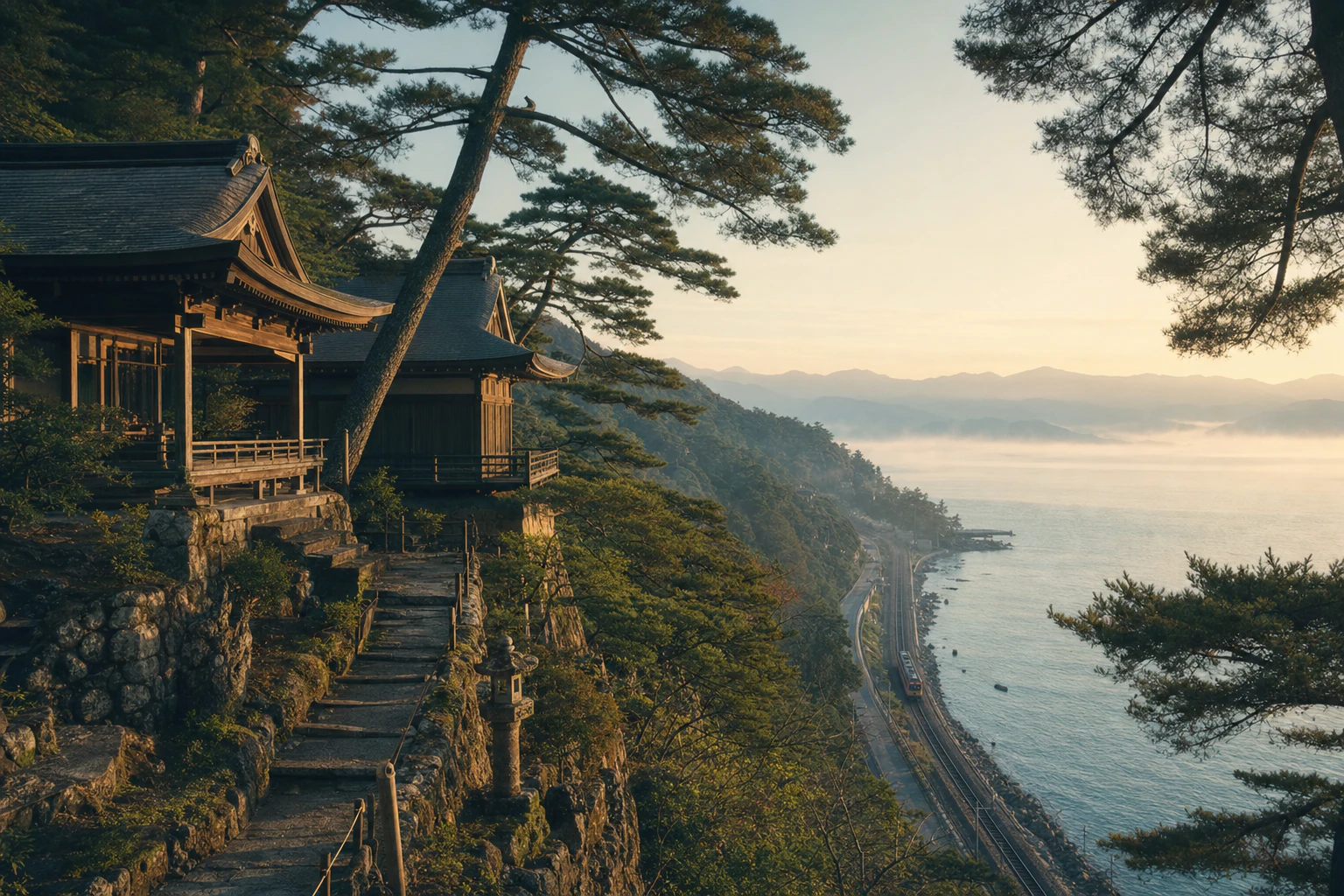
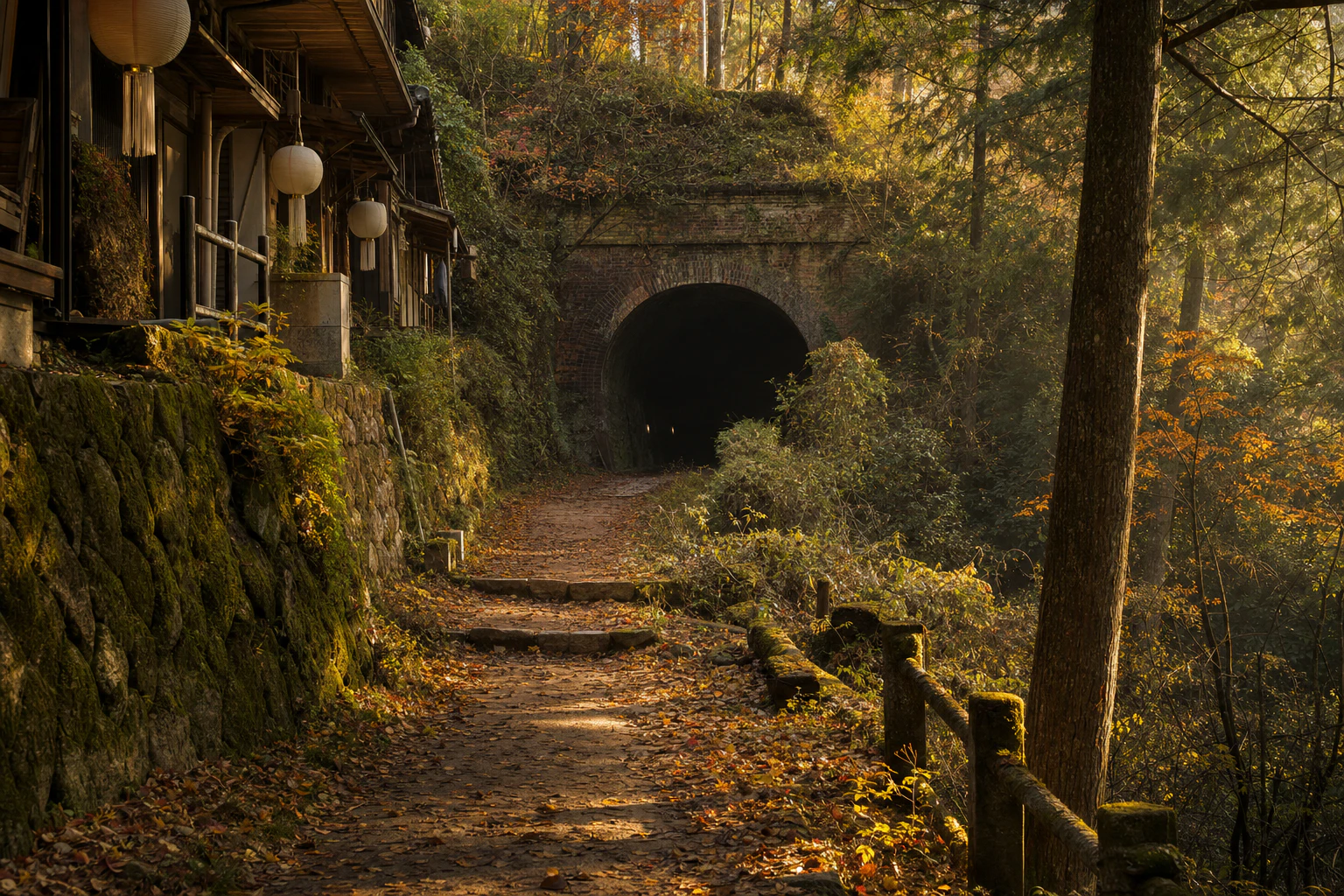
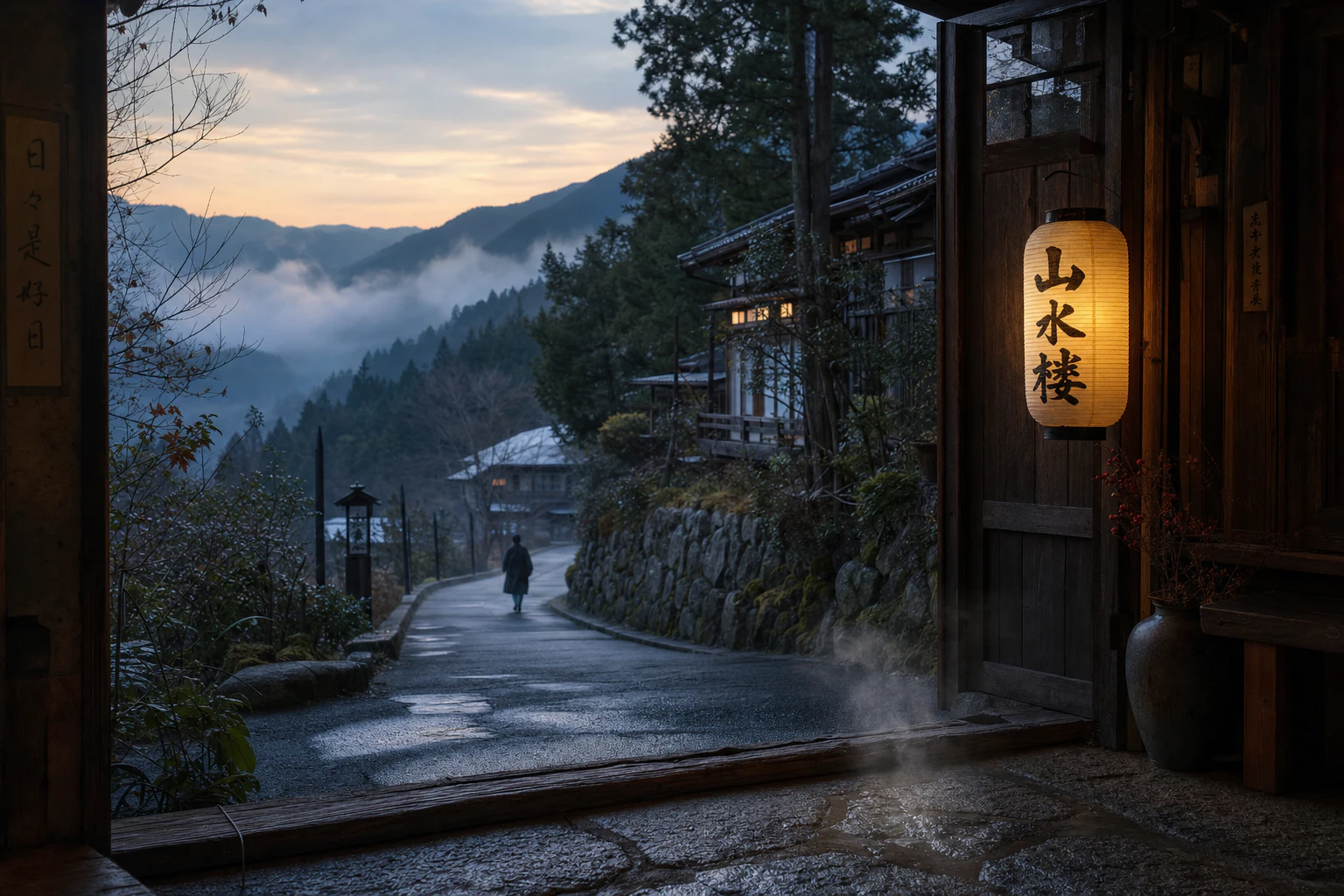
The old Tōkaidō, Shizuoka.

By email
Each new film by email, on the day it comes out.
The story continues
On the old Tōkaidō in Shizuoka, KAIDO runs private experiences in kendo, calligraphy, wagashi and roof-tile carving, and four whole-house stays.
We use cookies and analytics tools (Google Analytics and similar) to improve our service and understand how visitors use this site. See our Privacy Policy