Among the fifty-three post towns of the old Tōkaidō, Kanbara may be the one most people have seen without ever learning its name. Hiroshige drew it under falling snow — a few bent travelers, a street sinking into white — and the print became one of the most loved images of the whole road. The real Kanbara is quieter and warmer than its famous winter: a narrow town between the mountains and Suruga Bay, where old houses still stand shoulder to shoulder along the former highway, five minutes on foot from a small station.
One of them is a machiya of about 120 years, with a lattice front and rooms that run deep and dim toward the back. For much of its life it was the atelier of a hyōgushi — a hanging-scroll artisan. The craft is little known outside Japan, yet almost everything classical Japanese art hangs on depends on it. The hyōgushi does not paint; he builds the quiet architecture around a painting or a piece of calligraphy — the silk borders, the paper backing, the wooden roller — so that the work can live on a wall, be rolled away, and survive for generations. The artisans connected to this house are said to have served the Tokugawa family. It was, in other words, a house that spent a century in the service of other people's beauty.
The person who took the house on is Yusuke Makita, founder of KAIDO, a small Shizuoka company that restores buildings along the old highway and puts them back to work. Makita trained in architecture and worked at a design office in Lausanne, Switzerland. What set the course of his life, he says, was not Switzerland itself but the train ride home: watching interchangeable streets slide past the window and feeling the weight of how much history had already gone missing. His graduate research asked how renovation could revive a whole area, and it left him with a conviction he still repeats — a landscape cannot be designed from above. It survives only as an accumulation of individual answers: one building, one owner, one use at a time.
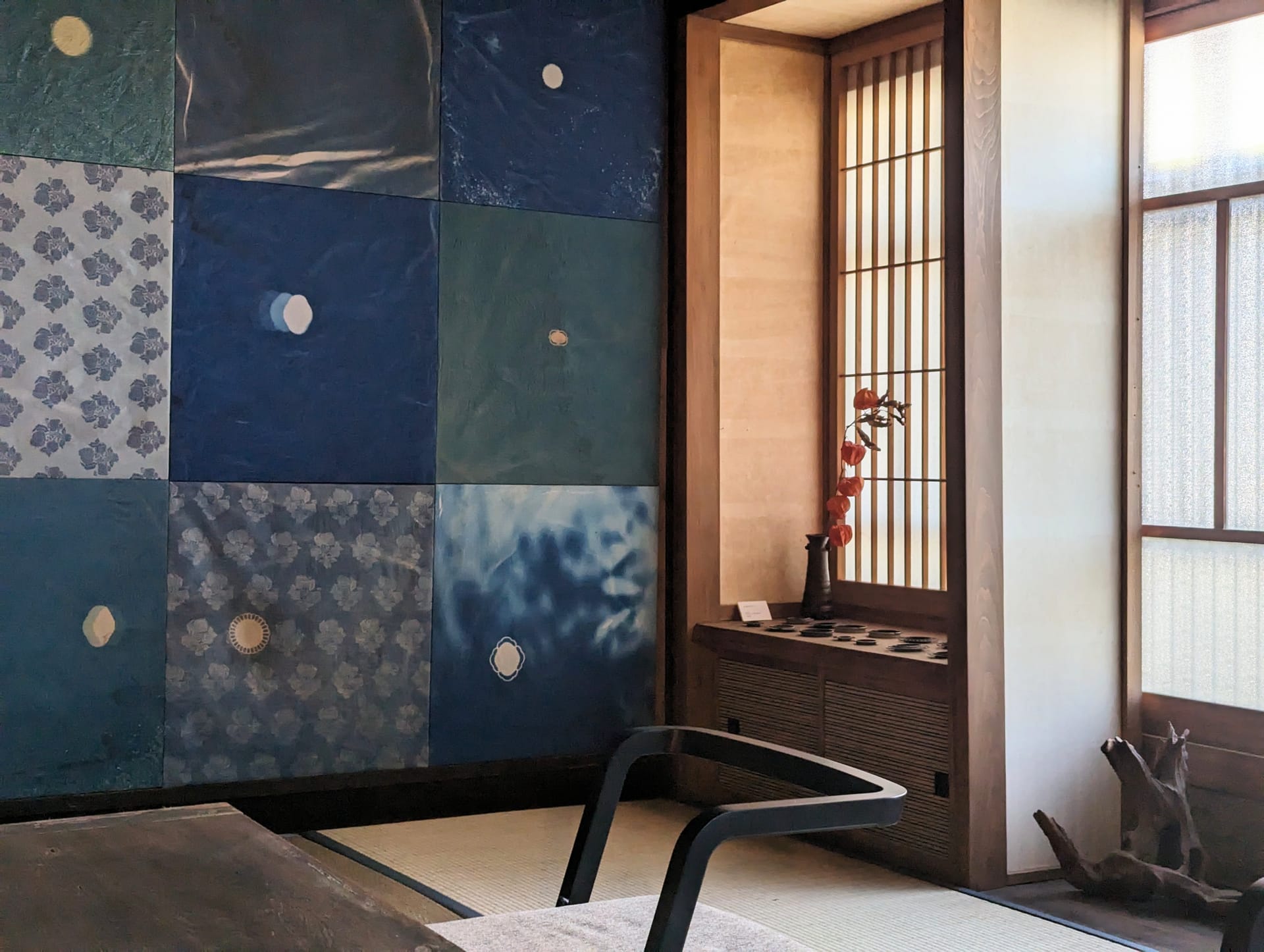
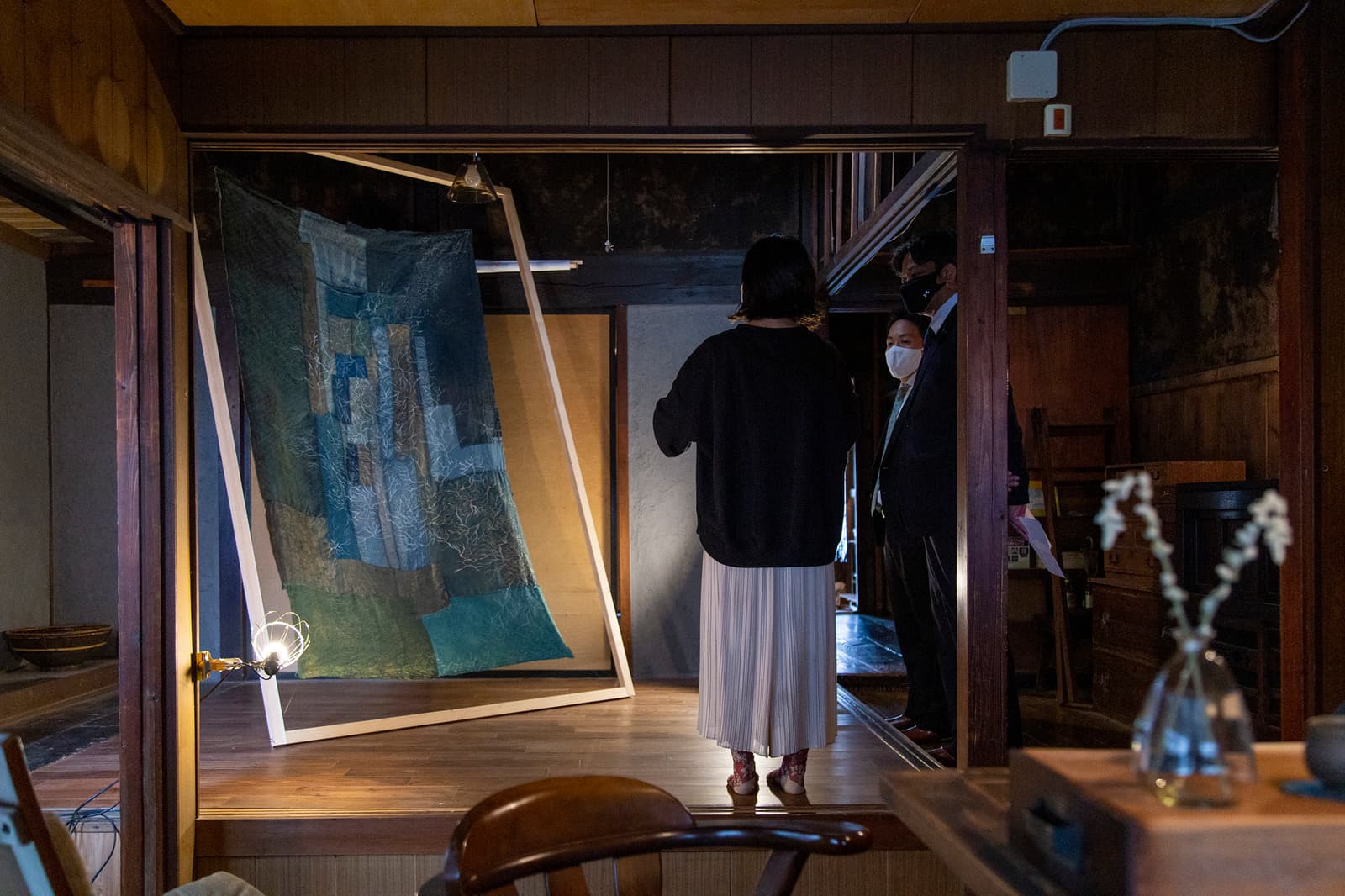
Soku-an is one of those answers. The obvious way to save a craftsman's house is to freeze it: rope off the rooms, label the tools, open on weekends. Makita chose the opposite. The whole house is rented to a single group at a time, and the art stays where it belongs — not behind glass but over the low table, in the alcove, sharing the rooms where guests read, cook and sleep. The concept fits in one line: Art home, Inn the house. A private machiya art museum, with futons.
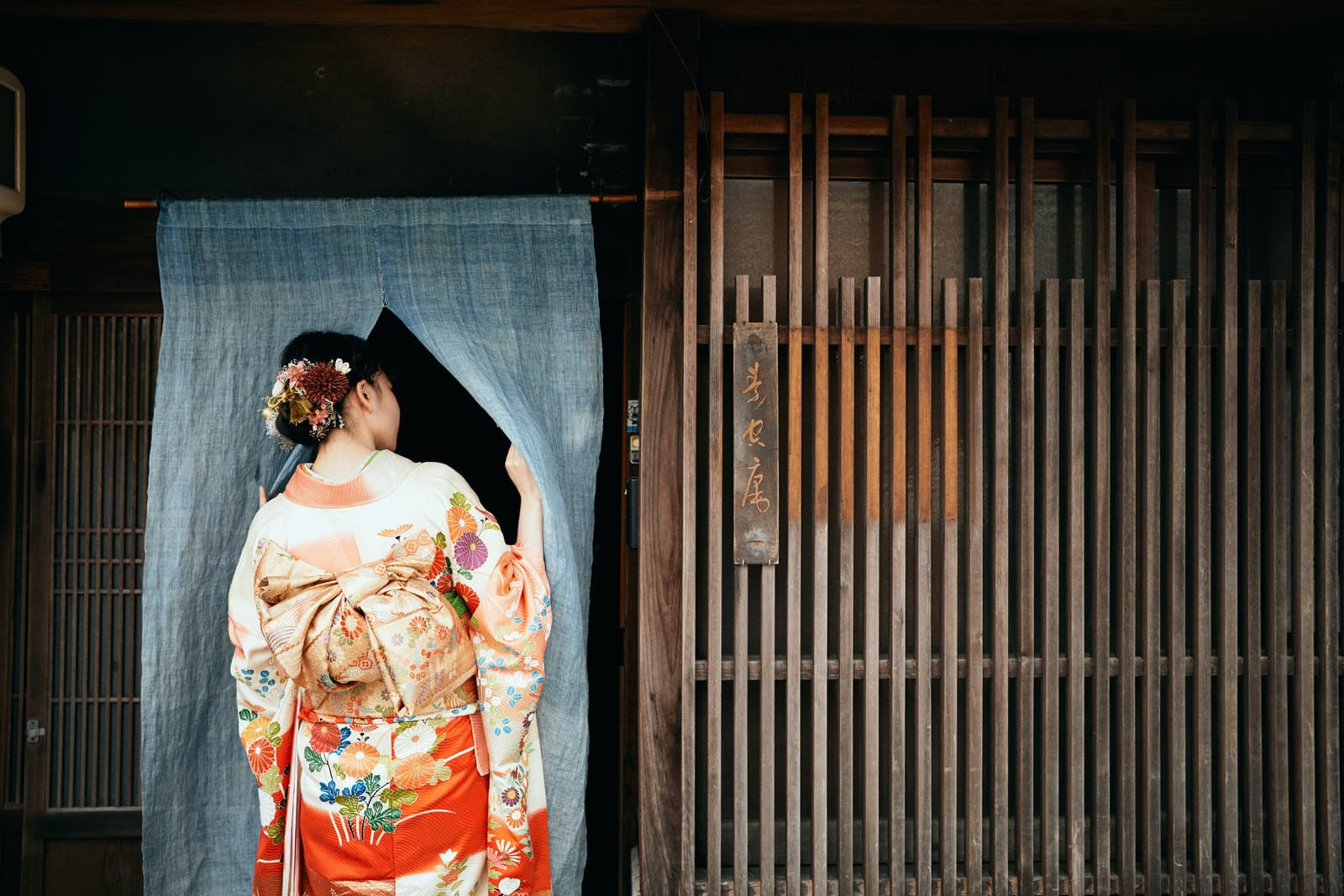
Staying here is an unexpectedly calm experience. You wake on tatami, slide the shutters open, and the works are still there — no closing time, no next group waiting at the door. The town lends a hand, too: in neighboring Yui the sakura-shrimp boats leave before dawn, and the Satta Pass, where Hiroshige stood to draw Fuji above the bay, is about an hour's walk along the old road.
A house that served art for a century now lets travelers live inside it. That is Kanbara's individual answer. See Soku-an — the house, dates and booking.